

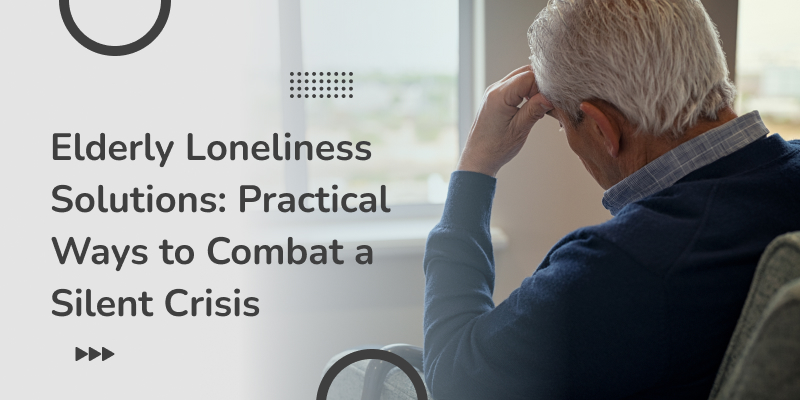
Elderly Loneliness Solutions: Practical Ways to Combat a Silent Crisis

As your parents and relatives age, life changes such as retirement or the loss of a spouse can shrink their social circles, making them vulnerable to prolonged isolation.
Senior loneliness is more than just sadness. It's a silent health crisis with profound implications. For those looking for effective means to fight the situation, this guide enables you to grasp the urgent dangers while providing pragmatic measures you can implement remotely, including using innovative wellness management tools like REAN HealthGuru.
What Are The Health Risks Of Senior Loneliness?
Senior loneliness isn't just about emotional distress. This danger extends deeper than many realize. Social isolation triggers physiological harm. For instance, a UCSF study found that adults over 60 reporting loneliness faced a 45% higher death risk. The same research noted a 59% increased risk of mental and physical decline, severely impairing daily activities like bathing or cooking.
Senior loneliness goes beyond being alone. Living alone for several months or years can slowly impact cognitive, mental, and physical health. It can lead to:
- Cardiovascular diseases
- Hypertension
- Stroke
- Anxiety
- Depression
- Obesity
These physical health issues may occur due to aggravated inflammation and an impaired immune system, which makes them vulnerable to chronic and acute illnesses. Furthermore, a lack of physical activity, poor sleep habits, and inadequate nutrition can have an indirect impact on their health.
Additionally, isolation can slowly deteriorate a person’s cognitive abilities and result in dementia and other related complications.
Scientists confirm that social isolation creates chronic stress in the body. This persistent stress elevates cortisol—a stress hormone that triggers inflammation, weakens immunity, and fuels other health issues.
Consequently, loneliness raises heart disease risk by 29% and stroke risk by 32%. Cognitive impacts are equally alarming: prolonged isolation is linked to a 40% higher dementia risk. Furthermore, studies connect social detachment to brain biomarkers found in early Alzheimer's.
Case in Point: The mortality risk from loneliness equals smoking 15 cigarettes daily. This is precisely why senior loneliness and social isolation are now recognized as urgent public health threats, damaging physical health, mental health, and cognitive health alike.
Given these severe consequences, recognizing the warning signs of loneliness becomes the essential first step in protecting your loved one—which we’ll explore in the following section.
Recognizing the Subtle Signs of Loneliness in Aging Parents
Pay attention to the distinct behaviors that indicate your parents’ isolation: they are not only cries for help but also your roadmap to effective, meaningful support. Once you learn to recognize these indicators, you can better comprehend what they are actually experiencing and provide the appropriate type of assistance.
- Withdrawal and Poor Self-Care: Abandoning hobbies or neglecting personal hygiene serves as clear evidence that something is wrong. These increasingly common signs directly indicate senior loneliness and establish why concern is warranted.
- Shifting Communication Patterns: Notice unusual call frequency or reluctance to end conversations, which isn’t a clear indication of neediness. Rather, it reveals a lack of connection, which can be improved when we recognize it. Addressing these feelings can create smoother emotional communication, similar to how you would prioritize unread messages.
- Changes in Diet and Sleep Patterns: These changes affect health and reflect emotional stress, which can be particularly concerning for seniors who may be reluctant to express their concerns. These changes are essential indicators that require attention.
- Usage of Certain Expressions: Expressions such as “I don't want to burden you” reflect underlying insecurities; they are subtle requests for comfort. Therefore, it's essential to pay close attention to these sensitive moments during conversations.
- TV as Primary Companion: Constant background television is another signal of their isolation. It's a passive habit that can become more entrenched over time, playing a massive role in deepening senior loneliness.
Recognizing these signs of senior loneliness allows your awareness to flow seamlessly toward solutions. It’s essential to identify and understand these indicators to develop practical solutions for senior loneliness:
- Start by acknowledging what you observe.
- Lay out your approach layer by layer.
- Build strategies to ensure their future well-being through meaningful connections.
Ready for solutions? The next section unpacks the effective ways that can be implemented to combat senior loneliness.
Also Read: Stay Steady & Age Gracefully- Balance Exercises for Seniors
Practical Ways to Foster Connection and Combat Senior Loneliness
You might be wondering, “How can I help my elderly parent who is lonely?”
A “straightforward way” to assist is by actively building a supportive setting/environment. This entails:
- Scheduling regular, meaningful contact
- Encouraging participation in social hobbies and classes
- Involving younger family members
- Ensuring they have accessible transportation to stay connected with their community
What Activities Can Help Lonely Seniors?
Transitioning from concern to concrete action, below are eight effective elderly loneliness solutions you can implement in order to establish meaningful relationships/connections for your elderly parent:
1. Schedule Meaningful Contact: When you prioritize regular video calls, seeing facial expressions not only bridges physical distance but also creates authentic emotional bonds that combat isolation.
2. Embrace Technology for Connection: While digital tools supplement in-person interaction, technology frustration often arises; hence, dedicate patient teaching sessions to transform barriers into consistent communication channels.
3. Encourage Social Engagement: Explore hobbies and classes at local senior centers, where group activities spark new relationships while nurturing mental and physical vitality.
4. Promote Senior Fitness: Group exercise releases mood-boosting endorphins and improves physical health, while classes like senior aerobics provide a valuable social outlet to build new friendships.
5. Involve Younger Family Members: Fostering intergenerational bonds through grandchild interactions provides reciprocal joy while creating lasting emotional anchors for both generations.
6. Suggest Volunteering: Community service restores a profound sense of purpose and paves the way for a reduced risk of dementia and improved cardiovascular health.
7. Adopt a Pet: Companion animals offer unwavering affection while instilling purposeful daily routines—a dual solution addressing both emotional voids and activity gaps.
8. Make Transportation Accessible: Since transportation challenges frequently undermine social opportunities, arrange community ride programs to ensure consistent access to gatherings and appointments.
Ultimately, these activities can:
- Provide a sense of purpose.
- Create new social connections.
- Nurture mental, physical, and emotional well-being.
While these strategies reduce senior loneliness individually, combining them builds a comprehensive support system that opens the door to a healthier and more harmonious future.
The following section covers loneliness triggered by significant life changes.
Navigating Loneliness After a Major Life Change
When a spouse of fifty years passes away, the world suddenly feels emptier, and deep down, you know this profound emptiness stems from losing your lifelong anchor. For recently bereaved or divorced seniors, this loss disrupts decades of shared routines and emotional support systems, creating a void where companionship once flourished. This grief plays a massive role in senior loneliness, making reconnection feel impossible without targeted support.
But pushing through this pain with generic solutions may trigger withdrawal, often accompanied by depression, which wastes precious healing time. This grief-induced overwhelm creates significant “activation barriers,” preventing proactive outreach even when support exists nearby.
Avoid forcing participation in overwhelming senior centers. Instead, seek specialized grief-aware communities, such as widow support networks, where shared experiences foster authentic trust. Start with micro-commitments: a ten-minute daily phone call to gradually rebuild connection muscles. Ultimately, combating senior loneliness requires a comprehensive strategy that combines family involvement, community resources, and professional support.
Taking the First Step Toward a More Connected Future
The reality of companionship in old age is both uncomplicated (simple) and profound—it's more than just a “nice something” to add to one's existence but a foundation for healthy aging. Nevertheless, opportunities to connect with others will always exist. It’s just a matter of making them happen through persistent effort.
At REAN Foundation, we offer innovative/revolutionary platforms that enable families to adequately overcome senior loneliness and support aging loved ones globally.
Ready to help your aging loved ones begin their journey to better health? Connect with us today—join our mission to ensure that no senior is left behind in their pursuit of well-being!
As your parents and relatives age, life changes such as retirement or the loss of a spouse can shrink their social circles, making them vulnerable to prolonged isolation.
Senior loneliness is more than just sadness. It's a silent health crisis with profound implications. For those looking for effective means to fight the situation, this guide enables you to grasp the urgent dangers while providing pragmatic measures you can implement remotely, including using innovative wellness management tools like REAN HealthGuru.
What Are The Health Risks Of Senior Loneliness?
Senior loneliness isn't just about emotional distress. This danger extends deeper than many realize. Social isolation triggers physiological harm. For instance, a UCSF study found that adults over 60 reporting loneliness faced a 45% higher death risk. The same research noted a 59% increased risk of mental and physical decline, severely impairing daily activities like bathing or cooking.
Senior loneliness goes beyond being alone. Living alone for several months or years can slowly impact cognitive, mental, and physical health. It can lead to:
- Cardiovascular diseases
- Hypertension
- Stroke
- Anxiety
- Depression
- Obesity
These physical health issues may occur due to aggravated inflammation and an impaired immune system, which makes them vulnerable to chronic and acute illnesses. Furthermore, a lack of physical activity, poor sleep habits, and inadequate nutrition can have an indirect impact on their health.
Additionally, isolation can slowly deteriorate a person’s cognitive abilities and result in dementia and other related complications.
Scientists confirm that social isolation creates chronic stress in the body. This persistent stress elevates cortisol—a stress hormone that triggers inflammation, weakens immunity, and fuels other health issues.
Consequently, loneliness raises heart disease risk by 29% and stroke risk by 32%. Cognitive impacts are equally alarming: prolonged isolation is linked to a 40% higher dementia risk. Furthermore, studies connect social detachment to brain biomarkers found in early Alzheimer's.
Case in Point: The mortality risk from loneliness equals smoking 15 cigarettes daily. This is precisely why senior loneliness and social isolation are now recognized as urgent public health threats, damaging physical health, mental health, and cognitive health alike.
Given these severe consequences, recognizing the warning signs of loneliness becomes the essential first step in protecting your loved one—which we’ll explore in the following section.
Recognizing the Subtle Signs of Loneliness in Aging Parents
Pay attention to the distinct behaviors that indicate your parents’ isolation: they are not only cries for help but also your roadmap to effective, meaningful support. Once you learn to recognize these indicators, you can better comprehend what they are actually experiencing and provide the appropriate type of assistance.
- Withdrawal and Poor Self-Care: Abandoning hobbies or neglecting personal hygiene serves as clear evidence that something is wrong. These increasingly common signs directly indicate senior loneliness and establish why concern is warranted.
- Shifting Communication Patterns: Notice unusual call frequency or reluctance to end conversations, which isn’t a clear indication of neediness. Rather, it reveals a lack of connection, which can be improved when we recognize it. Addressing these feelings can create smoother emotional communication, similar to how you would prioritize unread messages.
- Changes in Diet and Sleep Patterns: These changes affect health and reflect emotional stress, which can be particularly concerning for seniors who may be reluctant to express their concerns. These changes are essential indicators that require attention.
- Usage of Certain Expressions: Expressions such as “I don't want to burden you” reflect underlying insecurities; they are subtle requests for comfort. Therefore, it's essential to pay close attention to these sensitive moments during conversations.
- TV as Primary Companion: Constant background television is another signal of their isolation. It's a passive habit that can become more entrenched over time, playing a massive role in deepening senior loneliness.
Recognizing these signs of senior loneliness allows your awareness to flow seamlessly toward solutions. It’s essential to identify and understand these indicators to develop practical solutions for senior loneliness:
- Start by acknowledging what you observe.
- Lay out your approach layer by layer.
- Build strategies to ensure their future well-being through meaningful connections.
Ready for solutions? The next section unpacks the effective ways that can be implemented to combat senior loneliness.
Also Read: Stay Steady & Age Gracefully- Balance Exercises for Seniors
Practical Ways to Foster Connection and Combat Senior Loneliness
You might be wondering, “How can I help my elderly parent who is lonely?”
A “straightforward way” to assist is by actively building a supportive setting/environment. This entails:
- Scheduling regular, meaningful contact
- Encouraging participation in social hobbies and classes
- Involving younger family members
- Ensuring they have accessible transportation to stay connected with their community
What Activities Can Help Lonely Seniors?
Transitioning from concern to concrete action, below are eight effective elderly loneliness solutions you can implement in order to establish meaningful relationships/connections for your elderly parent:
1. Schedule Meaningful Contact: When you prioritize regular video calls, seeing facial expressions not only bridges physical distance but also creates authentic emotional bonds that combat isolation.
2. Embrace Technology for Connection: While digital tools supplement in-person interaction, technology frustration often arises; hence, dedicate patient teaching sessions to transform barriers into consistent communication channels.
3. Encourage Social Engagement: Explore hobbies and classes at local senior centers, where group activities spark new relationships while nurturing mental and physical vitality.
4. Promote Senior Fitness: Group exercise releases mood-boosting endorphins and improves physical health, while classes like senior aerobics provide a valuable social outlet to build new friendships.
5. Involve Younger Family Members: Fostering intergenerational bonds through grandchild interactions provides reciprocal joy while creating lasting emotional anchors for both generations.
6. Suggest Volunteering: Community service restores a profound sense of purpose and paves the way for a reduced risk of dementia and improved cardiovascular health.
7. Adopt a Pet: Companion animals offer unwavering affection while instilling purposeful daily routines—a dual solution addressing both emotional voids and activity gaps.
8. Make Transportation Accessible: Since transportation challenges frequently undermine social opportunities, arrange community ride programs to ensure consistent access to gatherings and appointments.
Ultimately, these activities can:
- Provide a sense of purpose.
- Create new social connections.
- Nurture mental, physical, and emotional well-being.
While these strategies reduce senior loneliness individually, combining them builds a comprehensive support system that opens the door to a healthier and more harmonious future.
The following section covers loneliness triggered by significant life changes.
Navigating Loneliness After a Major Life Change
When a spouse of fifty years passes away, the world suddenly feels emptier, and deep down, you know this profound emptiness stems from losing your lifelong anchor. For recently bereaved or divorced seniors, this loss disrupts decades of shared routines and emotional support systems, creating a void where companionship once flourished. This grief plays a massive role in senior loneliness, making reconnection feel impossible without targeted support.
But pushing through this pain with generic solutions may trigger withdrawal, often accompanied by depression, which wastes precious healing time. This grief-induced overwhelm creates significant “activation barriers,” preventing proactive outreach even when support exists nearby.
Avoid forcing participation in overwhelming senior centers. Instead, seek specialized grief-aware communities, such as widow support networks, where shared experiences foster authentic trust. Start with micro-commitments: a ten-minute daily phone call to gradually rebuild connection muscles. Ultimately, combating senior loneliness requires a comprehensive strategy that combines family involvement, community resources, and professional support.
Taking the First Step Toward a More Connected Future
The reality of companionship in old age is both uncomplicated (simple) and profound—it's more than just a “nice something” to add to one's existence but a foundation for healthy aging. Nevertheless, opportunities to connect with others will always exist. It’s just a matter of making them happen through persistent effort.
At REAN Foundation, we offer innovative/revolutionary platforms that enable families to adequately overcome senior loneliness and support aging loved ones globally.
Ready to help your aging loved ones begin their journey to better health? Connect with us today—join our mission to ensure that no senior is left behind in their pursuit of well-being!
About The Author