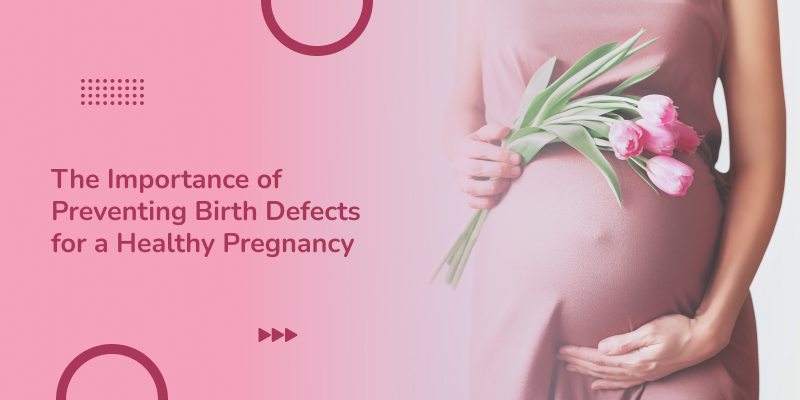
The Importance of Preventing Birth Defects for a Healthy Pregnancy

Birth defects, also known as congenital abnormalities or disorders, are a significant global health concern. This challenge contributes to over 240,000 newborn deaths (within 28 days of birth) worldwide each year and results in lifelong disabilities, impacting families and healthcare systems.
While not all instances are preventable, thoughtful preconception planning can significantly increase the chances for healthy fetal development. Digital platforms like REAN HealthGuru can further enhance this journey by offering personalized support and guidance throughout pregnancy.
This guide focuses on practical steps for preventing birth defects and supporting a healthy pregnancy through proactive lifestyle choices and informed prenatal care.
Start Planning Before Conception for Better Outcomes
Scheduling a preconception visit with the doctor is an essential first step for women planning to conceive. At this appointment, your doctor reviews your medications and assesses chronic conditions that need management before pregnancy. For instance, maintaining optimal diabetes control significantly reduces birth defect risks during early fetal development.
Doctors emphasize three critical actions during prepregnancy planning:
- Adjust medications with teratogenic potential.
- Stabilize blood sugar levels in women with diabetes.
- Screen family medical history that might require genetic counselling.
Managing health conditions like thyroid disorders or hypertension is foundational for preventing birth defects. Your healthcare provider can recommend safe medication alternatives while identifying vitamins to optimize uterine environment readiness. This proactive collaboration ensures that both mother and future baby start their journey from the healthiest possible beginning.
As you apply these strategies, you'll be set up to work/focus on the next critical aspect—ensuring proper nutritional foundations through strategic, targeted vitamin intake.
Prioritize Essential Nutrient Intake During Pregnancy
Preventing birth defects starts with one essential step: taking folic acid supplements daily, ideally via prenatal vitamins. Aim for 400–800 micrograms of folic acid beginning at least one month before you start trying to conceive.
Why? Because this vital B vitamin significantly reduces the risk of major neural tube defects affecting the baby's developing brain and spine. These conditions, like spina bifida, often develop between 21 and 28 days of pregnancy—frequently before you even know you're pregnant.
Also, be aware that high core body temperature due to fevers or hot tubs during this early stage can also disrupt proper neural tube closure.
Prioritize Vitamins: While folate-rich foods like leafy greens and fortified grains are good, prenatal vitamins or multivitamins containing folic acid guarantee that you meet the daily requirement consistently.
Complement your supplements with a diverse, balanced diet rich in fruits, vegetables, lean proteins, and healthy fats to support overall fetal development.
Next, let's look at avoiding substances and lifestyle factors that could pose risks during your healthy pregnancy journey.
Adopt Healthy Lifestyle Choices as a Couple
Preventing birth defects requires consciously avoiding harmful substances like alcohol, tobacco, and drugs—there's no safe middle ground. Similarly, maintaining healthier routines together as a couple can powerfully safeguard your growing baby's development through every critical phase.
While experts agree that no quantity of alcohol consumption during pregnancy is risk-free, we're still unraveling precise thresholds—meaning even small amounts could contribute to Fetal Alcohol Spectrum Disorders (FASD). Every sip introduces dangers requiring your proactive vigilance.
Healthy weight optimization matters profoundly before conception through consistent lifestyle improvements, impacting hormonal balance and fertility. Whether your BMI suggests overweight, obesity, or even underweight conditions, each carries unique birth defect probabilities and gestational health challenges requiring collaborative planning through your provider.
Beyond these crucial adjustments comes another protective layer through proactive infection prevention strategies and minimizing exposure to environmental hazards.
Also Read: Comprehensive Care to Safeguard Your High-Risk Pregnancy Journey
Minimize Exposure to Infections and Environmental Hazards
Did you know infections like rubella contracted during pregnancy can cause significant birth defects? Similarly, severe varicella (chickenpox) or influenza (flu) pose risks. Vaccination is key for preventing birth defects. Here are some mandatory vaccines that can help in preventing birth defects:
- Ensure your MMR (measles, mumps, rubella) and varicella shots are current before conceiving (at least one month prior), as these live vaccines aren't typically given during pregnancy.
- Stay updated on recommended vaccines like the seasonal flu shot and Tdap (for whooping cough).
Alongside vaccines, diligent prevention through careful hygiene and safe food practices is essential.
Practice these key prevention steps:
- Wash hands often, especially before eating.
- Cook meats fully; wash produce thoroughly; avoid unpasteurized dairy.
- Avoid cat litter changes (toxoplasmosis risk); wear gloves for gardening.
- Be cautious with young children's saliva/utensils to lower CMV risk.
- Limit contact with environmental hazards and toxic substances such as lead, pesticides, solvents, and avoidable radiation.
- Discuss any workplace exposures (chemicals, etc.) with your doctor.
- Avoid raising your core body temperature excessively (e.g., hot tubs, saunas), particularly in the first trimester, due to links with neural tube defects.
In addition to these, protecting your baby requires teamwork. Let’s explore how fostering support and working together can help ensure a healthy pregnancy.
Fostering Collaboration and Support During Pregnancy
If you, as a partner, ever wonder how much of an impact your contribution really makes during pregnancy, think again! Your role is much more than just being present—it's crucial in building a supportive, stress-reducing environment that helps prevent/eliminate birth defects and ensures a healthy outcome for mother and baby alike. Emotional stability and practical assistance can be a difference-maker.
Open communication is highly important. Discuss fears, joys, and plans with each other, and tackle challenges together as a team. A partner's own health counts, too—staying away from unhealthy/harmful substances, eating good food, and exercising/maintaining an active life sets a great, positive example and keeps you physically and emotionally well enough to support this journey.
At REAN Foundation, we simplify this collective responsibility with our digital health ecosystem, supporting families globally. From personalized wellness insights and symptom tracking/monitoring to medication reminders and multilingual assistance, our resources keep you informed, active, and in control every step of the way.
Because a healthy pregnancy is a partnership—a team effort, and with the right guidance, you can provide your baby with the strongest possible start. Connect with us today and experience the support you need for a healthy, confident pregnancy journey!
Birth defects, also known as congenital abnormalities or disorders, are a significant global health concern. This challenge contributes to over 240,000 newborn deaths (within 28 days of birth) worldwide each year and results in lifelong disabilities, impacting families and healthcare systems.
While not all instances are preventable, thoughtful preconception planning can significantly increase the chances for healthy fetal development. Digital platforms like REAN HealthGuru can further enhance this journey by offering personalized support and guidance throughout pregnancy.
This guide focuses on practical steps for preventing birth defects and supporting a healthy pregnancy through proactive lifestyle choices and informed prenatal care.
Start Planning Before Conception for Better Outcomes
Scheduling a preconception visit with the doctor is an essential first step for women planning to conceive. At this appointment, your doctor reviews your medications and assesses chronic conditions that need management before pregnancy. For instance, maintaining optimal diabetes control significantly reduces birth defect risks during early fetal development.
Doctors emphasize three critical actions during prepregnancy planning:
- Adjust medications with teratogenic potential.
- Stabilize blood sugar levels in women with diabetes.
- Screen family medical history that might require genetic counselling.
Managing health conditions like thyroid disorders or hypertension is foundational for preventing birth defects. Your healthcare provider can recommend safe medication alternatives while identifying vitamins to optimize uterine environment readiness. This proactive collaboration ensures that both mother and future baby start their journey from the healthiest possible beginning.
As you apply these strategies, you'll be set up to work/focus on the next critical aspect—ensuring proper nutritional foundations through strategic, targeted vitamin intake.
Prioritize Essential Nutrient Intake During Pregnancy
Preventing birth defects starts with one essential step: taking folic acid supplements daily, ideally via prenatal vitamins. Aim for 400–800 micrograms of folic acid beginning at least one month before you start trying to conceive.
Why? Because this vital B vitamin significantly reduces the risk of major neural tube defects affecting the baby's developing brain and spine. These conditions, like spina bifida, often develop between 21 and 28 days of pregnancy—frequently before you even know you're pregnant.
Also, be aware that high core body temperature due to fevers or hot tubs during this early stage can also disrupt proper neural tube closure.
Prioritize Vitamins: While folate-rich foods like leafy greens and fortified grains are good, prenatal vitamins or multivitamins containing folic acid guarantee that you meet the daily requirement consistently.
Complement your supplements with a diverse, balanced diet rich in fruits, vegetables, lean proteins, and healthy fats to support overall fetal development.
Next, let's look at avoiding substances and lifestyle factors that could pose risks during your healthy pregnancy journey.
Adopt Healthy Lifestyle Choices as a Couple
Preventing birth defects requires consciously avoiding harmful substances like alcohol, tobacco, and drugs—there's no safe middle ground. Similarly, maintaining healthier routines together as a couple can powerfully safeguard your growing baby's development through every critical phase.
While experts agree that no quantity of alcohol consumption during pregnancy is risk-free, we're still unraveling precise thresholds—meaning even small amounts could contribute to Fetal Alcohol Spectrum Disorders (FASD). Every sip introduces dangers requiring your proactive vigilance.
Healthy weight optimization matters profoundly before conception through consistent lifestyle improvements, impacting hormonal balance and fertility. Whether your BMI suggests overweight, obesity, or even underweight conditions, each carries unique birth defect probabilities and gestational health challenges requiring collaborative planning through your provider.
Beyond these crucial adjustments comes another protective layer through proactive infection prevention strategies and minimizing exposure to environmental hazards.
Also Read: Comprehensive Care to Safeguard Your High-Risk Pregnancy Journey
Minimize Exposure to Infections and Environmental Hazards
Did you know infections like rubella contracted during pregnancy can cause significant birth defects? Similarly, severe varicella (chickenpox) or influenza (flu) pose risks. Vaccination is key for preventing birth defects. Here are some mandatory vaccines that can help in preventing birth defects:
- Ensure your MMR (measles, mumps, rubella) and varicella shots are current before conceiving (at least one month prior), as these live vaccines aren't typically given during pregnancy.
- Stay updated on recommended vaccines like the seasonal flu shot and Tdap (for whooping cough).
Alongside vaccines, diligent prevention through careful hygiene and safe food practices is essential.
Practice these key prevention steps:
- Wash hands often, especially before eating.
- Cook meats fully; wash produce thoroughly; avoid unpasteurized dairy.
- Avoid cat litter changes (toxoplasmosis risk); wear gloves for gardening.
- Be cautious with young children's saliva/utensils to lower CMV risk.
- Limit contact with environmental hazards and toxic substances such as lead, pesticides, solvents, and avoidable radiation.
- Discuss any workplace exposures (chemicals, etc.) with your doctor.
- Avoid raising your core body temperature excessively (e.g., hot tubs, saunas), particularly in the first trimester, due to links with neural tube defects.
In addition to these, protecting your baby requires teamwork. Let’s explore how fostering support and working together can help ensure a healthy pregnancy.
Fostering Collaboration and Support During Pregnancy
If you, as a partner, ever wonder how much of an impact your contribution really makes during pregnancy, think again! Your role is much more than just being present—it's crucial in building a supportive, stress-reducing environment that helps prevent/eliminate birth defects and ensures a healthy outcome for mother and baby alike. Emotional stability and practical assistance can be a difference-maker.
Open communication is highly important. Discuss fears, joys, and plans with each other, and tackle challenges together as a team. A partner's own health counts, too—staying away from unhealthy/harmful substances, eating good food, and exercising/maintaining an active life sets a great, positive example and keeps you physically and emotionally well enough to support this journey.
At REAN Foundation, we simplify this collective responsibility with our digital health ecosystem, supporting families globally. From personalized wellness insights and symptom tracking/monitoring to medication reminders and multilingual assistance, our resources keep you informed, active, and in control every step of the way.
Because a healthy pregnancy is a partnership—a team effort, and with the right guidance, you can provide your baby with the strongest possible start. Connect with us today and experience the support you need for a healthy, confident pregnancy journey!
About The Author