
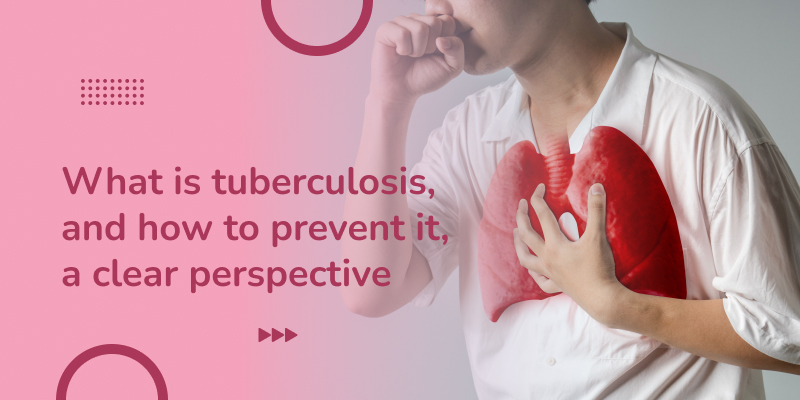
What is tuberculosis, and how to prevent it, a clear perspective

In a world of complex health terms, tuberculosis is a serious infectious disease that primarily attacks the lungs. This illness develops due to a specific type of bacteria called Mycobacterium tuberculosis, a threat that all people (especially families) should understand. Global Tuberculosis (TB) competition levels with medical progress hit higher roofs by the day; hence, it remains a massive health challenge responsible for many deaths. In a nutshell, managing this issue is about understanding human needs telling a clear story, and making tech feel accessible. This is exactly the reason why prevention and treatment each deserve a defined place in your family wellness plan. Remember, people love it when you make things easier for them and having these steps right in front of your eyes instills trust. Therefore, before we talk about how to prevent tuberculosis, the REAN Foundation guide and the REAN HealthGuru app will lay out this blueprint one layer at a time.
Explaining the biological nature and progression of the disease stages
To understand what tuberculosis is, know that at its core, it is caused by the bacterium Mycobacterium tuberculosis. The infection travels through the air in tiny droplets released when an affected person coughs, speaks, or sneezes, making close contact a key risk factor. When a person with active TB disease coughs, talks, or sings, they release microscopic droplets that contaminate the air. When these droplets are inhaled, the bacteria can enter the body and begin the infection process. Not everyone becomes sick; there are three stages:
- Primary infection
- Latent TB infection
- Active TB disease.
Before we move on, understand that in the primary infection stage, your immune system cells find and capture the germs. After all, in the latent TB infection stage, your immune system cells build a wall around the germs to keep the latent period under control. But in this state, you do not have symptoms and cannot spread the infection to others.
Yet, active TB disease happens later especially if your immune system weakens. In this stage, the germs are active and growing playing a massive role in spreading the disease into your lungs. Instead of happening quickly, active disease usually appears after months or years of latent TB infection.
Understanding these stages is crucial for knowing how to prevent tuberculosis. The next step is to recognize the physical signs to protect yourself and others.
Identifying pulmonary symptoms and common clinical diagnostic procedures
In a world saturated with common coughs and seasonal colds, what speaks louder than words when determining if a lingering respiratory issue is serious? Quite often, you won’t hear a sharp distinction between a standard chest infection and the starting stages of tuberculosis. While both illnesses serve to trigger fatigue and malaise, the heart of it is still the same: making our health monitoring easier and more efficient. Pulmonary TB symptoms are becoming more apparent over several weeks rather than appearing suddenly.
Common signs of active respiratory infection:
- Persistent cough: By coughing for three weeks or longer, and thus ignoring potential damage, you increase the complexity of your recovery.
- Chest pain and hemoptysis: It helps attract medical concern and identifies hemoptysis, a condition involving coughing up blood or sputum.
- Systemic signs: Experiencing fever and chills will allow your symptoms to flow seamlessly from night sweats into unintended weight loss and deep fatigue.
The infection isn't always in the lungs; how to cope with the change? Meanwhile, extrapulmonary TB (short for infection outside the lungs) caters specifically to other areas of the body. Bottom-of-funnel cases like TB of the spine, where the one focus is the patient experiencing symptoms, require an expert eye.
- Back pain
- Blood in the urine
- Headaches
Why should you ask your doctor for a TB screening if your health declines? The tuberculin skin test is a form of screening that a provider performs by injecting tuberculin under your skin.
Furthermore, blood tests enhance the accuracy of infection detection for its users. You can track these screening phases and your overall wellness.
- A chest X-ray includes a radiographic image that moves a clinician toward a clearer picture of lung damage.
- By analyzing a sputum culture, medical teams can bridge the trust gap, nudging you one step closer to a correct diagnosis.
This step is essential for learning how to prevent tuberculosis and protecting those around you.
Evaluating infection risks for immunocompromised individuals and vulnerable populations
Risk categories to keep in mind while learning what tuberculosis is:
- Exposure to the germs and the likelihood of developing active disease.
- Having HIV increases the risk of active tuberculosis 12-fold because your immune system is weakened, and this plays a massive role in why it remains a leading cause of death.
- Conditions like diabetes and cancer cause immunosuppression, which increases your susceptibility to active TB and raises the risk of progression from latent infection. The immune system cannot keep the bacteria dormant; this is particularly true for those who lack consistent access to health services.
- By spending time in close contact with an infectious person over a prolonged period, you raise your risk of TB infection.
High-risk populations often encounter transmission threats everywhere from homeless shelters and nursing homes to hospitals and prisons where crowding often speeds up the spread. Therefore, your protection as a worker in these settings needs to be prioritized through proper precautions. For these environments to be safe, infection control practices must be in place protecting both staff and patients.
The COVID-19 pandemic disrupted TB control efforts because health systems were overwhelmed, and services faced significant challenges. Without treatment, one in ten people with a latent infection will eventually get sick, as the infection can progress over time. A baby with active TB might not feed well, gain weight, or be alert take a second and notice if your infant seems unusually sluggish or fussy. Therefore, for your protection to be effective, screening is a vital step in how to prevent tuberculosis if you have had prolonged exposure.
Now that you understand these risks, the next logical step is to explore the physical habits and environmental changes that can stop transmission entirely.
Applying respiratory hygiene and environmental controls for effective prevention
You can take direct, effective steps to stop tuberculosis (TB) germs from spreading both at home and in your community. It's not just about what tuberculosis is understanding how to prevent tuberculosis comes down to smart, practical actions that target the bacteria where they travel through the air. Let's break down the most impactful methods.
Practical steps for individual and home prevention:
- Master respiratory hygiene: Always cover your coughs and sneezes with a tissue. Throw used tissues into a sealed bag immediately.
- Maximize ventilation: TB germs thrive in stagnant air. Open windows regularly to create cross-ventilation. Using a fan in a window to blow indoor air outside significantly helps disperse any infectious droplets.
- Use protection in crowds: In congested public places like buses or stations, wearing a mask provides a valuable barrier.
- Support childhood vaccination: In areas with high TB rates, ensuring infants receive the Bacille calmette-guérin (BCG) vaccine is crucial. This vaccine is most effective in preventing severe forms of TB like meningitis in children.
These personal actions are powerful, but they work best alongside broader public health measures. Initiatives like contact tracing, where health officials identify and test individuals who have been in close contact with a TB patient, are vital for containing outbreaks. Furthermore, completing the full course of treatment whether for latent or active TB is non-negotiable. Stopping medication early is a primary driver of drug-resistant TB, which is far more difficult and costly to treat.
By combining personal vigilance with strong public health strategies, we can control the spread of TB. Now, let's explore how modern tools can support these efforts in managing your health and wellness proactively.
Advancing communal health through early awareness and proactive care
Understanding what tuberculosis is and how to prevent it, along with adhering to effective TB treatment, are key to combating this Global threat. Patient-centered guides from experts provide accessible tools for symptom recognition and accurate diagnosis. If a persistent cough lasts more than three weeks, contact healthcare providers immediately. Quick action ensures early detection, which supports effective treatment and prevents long-term complications, protecting loved ones. The REAN Foundation's REAN HealthGuru app is your North Star for managing wellness and preventive health from home. Join the REAN Foundation's mission for healthier futures by taking charge of your respiratory wellness and making every breath count it’ll be worth it.
In a world of complex health terms, tuberculosis is a serious infectious disease that primarily attacks the lungs. This illness develops due to a specific type of bacteria called Mycobacterium tuberculosis, a threat that all people (especially families) should understand. Global Tuberculosis (TB) competition levels with medical progress hit higher roofs by the day; hence, it remains a massive health challenge responsible for many deaths. In a nutshell, managing this issue is about understanding human needs telling a clear story, and making tech feel accessible. This is exactly the reason why prevention and treatment each deserve a defined place in your family wellness plan. Remember, people love it when you make things easier for them and having these steps right in front of your eyes instills trust. Therefore, before we talk about how to prevent tuberculosis, the REAN Foundation guide and the REAN HealthGuru app will lay out this blueprint one layer at a time.
Explaining the biological nature and progression of the disease stages
To understand what tuberculosis is, know that at its core, it is caused by the bacterium Mycobacterium tuberculosis. The infection travels through the air in tiny droplets released when an affected person coughs, speaks, or sneezes, making close contact a key risk factor. When a person with active TB disease coughs, talks, or sings, they release microscopic droplets that contaminate the air. When these droplets are inhaled, the bacteria can enter the body and begin the infection process. Not everyone becomes sick; there are three stages:
- Primary infection
- Latent TB infection
- Active TB disease.
Before we move on, understand that in the primary infection stage, your immune system cells find and capture the germs. After all, in the latent TB infection stage, your immune system cells build a wall around the germs to keep the latent period under control. But in this state, you do not have symptoms and cannot spread the infection to others.
Yet, active TB disease happens later especially if your immune system weakens. In this stage, the germs are active and growing playing a massive role in spreading the disease into your lungs. Instead of happening quickly, active disease usually appears after months or years of latent TB infection.
Understanding these stages is crucial for knowing how to prevent tuberculosis. The next step is to recognize the physical signs to protect yourself and others.
Identifying pulmonary symptoms and common clinical diagnostic procedures
In a world saturated with common coughs and seasonal colds, what speaks louder than words when determining if a lingering respiratory issue is serious? Quite often, you won’t hear a sharp distinction between a standard chest infection and the starting stages of tuberculosis. While both illnesses serve to trigger fatigue and malaise, the heart of it is still the same: making our health monitoring easier and more efficient. Pulmonary TB symptoms are becoming more apparent over several weeks rather than appearing suddenly.
Common signs of active respiratory infection:
- Persistent cough: By coughing for three weeks or longer, and thus ignoring potential damage, you increase the complexity of your recovery.
- Chest pain and hemoptysis: It helps attract medical concern and identifies hemoptysis, a condition involving coughing up blood or sputum.
- Systemic signs: Experiencing fever and chills will allow your symptoms to flow seamlessly from night sweats into unintended weight loss and deep fatigue.
The infection isn't always in the lungs; how to cope with the change? Meanwhile, extrapulmonary TB (short for infection outside the lungs) caters specifically to other areas of the body. Bottom-of-funnel cases like TB of the spine, where the one focus is the patient experiencing symptoms, require an expert eye.
- Back pain
- Blood in the urine
- Headaches
Why should you ask your doctor for a TB screening if your health declines? The tuberculin skin test is a form of screening that a provider performs by injecting tuberculin under your skin.
Furthermore, blood tests enhance the accuracy of infection detection for its users. You can track these screening phases and your overall wellness.
- A chest X-ray includes a radiographic image that moves a clinician toward a clearer picture of lung damage.
- By analyzing a sputum culture, medical teams can bridge the trust gap, nudging you one step closer to a correct diagnosis.
This step is essential for learning how to prevent tuberculosis and protecting those around you.
Evaluating infection risks for immunocompromised individuals and vulnerable populations
Risk categories to keep in mind while learning what tuberculosis is:
- Exposure to the germs and the likelihood of developing active disease.
- Having HIV increases the risk of active tuberculosis 12-fold because your immune system is weakened, and this plays a massive role in why it remains a leading cause of death.
- Conditions like diabetes and cancer cause immunosuppression, which increases your susceptibility to active TB and raises the risk of progression from latent infection. The immune system cannot keep the bacteria dormant; this is particularly true for those who lack consistent access to health services.
- By spending time in close contact with an infectious person over a prolonged period, you raise your risk of TB infection.
High-risk populations often encounter transmission threats everywhere from homeless shelters and nursing homes to hospitals and prisons where crowding often speeds up the spread. Therefore, your protection as a worker in these settings needs to be prioritized through proper precautions. For these environments to be safe, infection control practices must be in place protecting both staff and patients.
The COVID-19 pandemic disrupted TB control efforts because health systems were overwhelmed, and services faced significant challenges. Without treatment, one in ten people with a latent infection will eventually get sick, as the infection can progress over time. A baby with active TB might not feed well, gain weight, or be alert take a second and notice if your infant seems unusually sluggish or fussy. Therefore, for your protection to be effective, screening is a vital step in how to prevent tuberculosis if you have had prolonged exposure.
Now that you understand these risks, the next logical step is to explore the physical habits and environmental changes that can stop transmission entirely.
Applying respiratory hygiene and environmental controls for effective prevention
You can take direct, effective steps to stop tuberculosis (TB) germs from spreading both at home and in your community. It's not just about what tuberculosis is understanding how to prevent tuberculosis comes down to smart, practical actions that target the bacteria where they travel through the air. Let's break down the most impactful methods.
Practical steps for individual and home prevention:
- Master respiratory hygiene: Always cover your coughs and sneezes with a tissue. Throw used tissues into a sealed bag immediately.
- Maximize ventilation: TB germs thrive in stagnant air. Open windows regularly to create cross-ventilation. Using a fan in a window to blow indoor air outside significantly helps disperse any infectious droplets.
- Use protection in crowds: In congested public places like buses or stations, wearing a mask provides a valuable barrier.
- Support childhood vaccination: In areas with high TB rates, ensuring infants receive the Bacille calmette-guérin (BCG) vaccine is crucial. This vaccine is most effective in preventing severe forms of TB like meningitis in children.
These personal actions are powerful, but they work best alongside broader public health measures. Initiatives like contact tracing, where health officials identify and test individuals who have been in close contact with a TB patient, are vital for containing outbreaks. Furthermore, completing the full course of treatment whether for latent or active TB is non-negotiable. Stopping medication early is a primary driver of drug-resistant TB, which is far more difficult and costly to treat.
By combining personal vigilance with strong public health strategies, we can control the spread of TB. Now, let's explore how modern tools can support these efforts in managing your health and wellness proactively.
Advancing communal health through early awareness and proactive care
Understanding what tuberculosis is and how to prevent it, along with adhering to effective TB treatment, are key to combating this Global threat. Patient-centered guides from experts provide accessible tools for symptom recognition and accurate diagnosis. If a persistent cough lasts more than three weeks, contact healthcare providers immediately. Quick action ensures early detection, which supports effective treatment and prevents long-term complications, protecting loved ones. The REAN Foundation's REAN HealthGuru app is your North Star for managing wellness and preventive health from home. Join the REAN Foundation's mission for healthier futures by taking charge of your respiratory wellness and making every breath count it’ll be worth it.
About The Author