
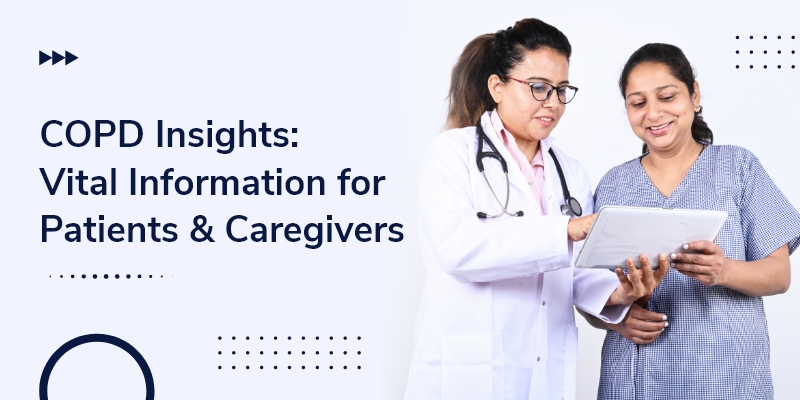
Vital Information for Patients & Caregivers

Chronic Obstructive Pulmonary Disease (COPD) is a respiratory disorder that encompasses two conditions: Chronic Bronchitis and Emphysema. As time goes on, COPD gradually makes breathing more difficult. In the United States alone, it is estimated to affect around 16 million individuals. This condition primarily targets people aged 45 and above. It is crucial to note that if left untreated, COPD can lead to significant damage to the lungs. Although it is impossible to reverse lung damage, making certain lifestyle changes and adjusting medication can help effectively manage the symptoms. In this blog, we will delve into the signs and symptoms, causes, and potential complications associated with this respiratory disorder.
Understanding Chronic Obstructive Pulmonary Disease (COPD)
COPD (Chronic Obstructive Pulmonary Disease) is an umbrella term that applies to various progressive lung diseases that share a common characteristic: restricted flow of air from the lungs. This restriction leads to a range of signs and symptoms, including gasping for air, persistent coughing with the production of mucus, and difficulty breathing. The primary cause of COPD is prolonged exposure to irritant gases or particulates, with cigarette smoke being the most prevalent culprit.
Among the diseases associated with COPD, Chronic Bronchitis and Emphysema are the most frequently observed. The severity of these conditions may vary from person to person with COPD, but they often coexist.
Chronic bronchitis
Chronic bronchitis is characterized by inflammation of the lining of the bronchial tubes, which are responsible for carrying air to and from the air sacs (alveoli) of the lungs. The prominent symptoms of chronic bronchitis include daily coughing and the presence of mucus.
Emphysema
Emphysema is a disorder that involves the destruction of the alveoli located at the end of the smallest air tubes within the lungs, known as bronchioles. This damage is primarily caused by exposure to harmful substances such as cigarette smoke and other irritating chemicals and particulate matter.
Despite the fact that COPD is progressive and a chronic condition that worsens over time, it is important to note that it can be treated. With appropriate care, most individuals with COPD can manage their symptoms well, maintain a healthy standard of living, and reduce the likelihood of developing additional comorbidities.
COPD: Causes, Symptoms & When to Get Medical Advice
Many people often wonder whether COPD is contagious, and the answer is no. COPD is a progressive condition with multiple risk factors and causes, but it does not spread from person to person. Individuals affected by COPD experience inflammation, swelling, and damage in their lungs.
The causes
The causes of COPD can vary and may include exposure to fumes, dust, genetic factors, smoking, and even asthma history.
However, it's important to note that not all smokers will develop this disease. Certain factors can lead to an increased risk, such as being assigned female at birth, being over the age of 65, living in a polluted area, working with chemicals, dust, or fumes, having alpha-1 antitrypsin deficiency (AAT), or experiencing frequent respiratory infections during childhood.
The environment in which you live and work can also play a role in the development of COPD. Long-term exposure to pollutants, dust, secondhand smoke, chemicals, and fumes (often encountered in certain occupations) can contribute to the development of COPD. Additionally, genetic factors can influence the risk of developing the condition.
The symptoms
The main symptoms of COPD include shortness of breath, especially during physical activity, a persistent cough with mucus (often referred to as a "smoker's cough"), frequent chest infections, persistent wheezing, a constant feeling of not getting enough air, tightness in the chest, increased mucus production, abnormal mucus color (yellow or green), weight loss, fatigue, chest pain, and swollen ankles.
When to seek medical attention
Without proper treatment, COPD symptoms typically worsen over time, and there may be periods of sudden exacerbation or flare-ups. It is crucial to seek medical attention and adhere to treatment plans to manage the condition effectively and improve quality of life.
If you experience persistent symptoms of COPD, especially if you are over the age of 35 and currently smoke or have a history of smoking, it is essential to consult a general practitioner (GP). Ignoring the symptoms is not advisable. Early detection and treatment are crucial in order to prevent significant lung damage.
During your visit to the GP, they will inquire about your symptoms and your smoking history. It is important to provide accurate information. Based on your symptoms and risk factors, the GP may recommend a breathing test to aid in the diagnosis of COPD and rule out other lung conditions, such as asthma. This test helps evaluate your lung function and determine the severity of your condition.
Diagnosis of Chronic Obstructive Pulmonary Disease
In order to diagnose COPD, a physician will typically conduct a comprehensive clinical examination. This involves gathering information about the signs and symptoms experienced, your medical history, and your exposure to potential irritants, particularly smoking. Based on this initial assessment, the physician may recommend further tests to confirm the diagnosis. Some of the common tests used in the diagnostic process include:
Chest X-ray or chest CT scan
These imaging tests are performed to examine the lungs for any structural changes that are indicative of COPD.
Lung function test
These tests assess various aspects of lung function, including the ability to breathe in and out effectively and how well the lungs can oxygenate the blood. The most common lung function test, spirometry, involves blowing into a tube connected to a machine to measure lung capacity and airflow. Additional tests, such as the 6-minute walk test, evaluation of diffusing capacity and lung volumes, and pulse oximetry, may also be conducted.
Arterial Blood Gases (ABGs)
This test measures the levels of oxygen and carbon dioxide in the blood, providing information about lung function and gas exchange.
Lab tests
While not used for diagnosing COPD itself, lab tests may be employed to identify the underlying cause of symptoms or rule out other diseases. For instance, genetic testing, such as for alpha-1-antitrypsin deficiency, may be conducted if an individual has early-onset COPD and a family history of the disease.
It is crucial not to ignore or downplay the symptoms of COPD. Early detection allows for timely intervention and effective management of the disease. If you experience any symptoms or have a history of exposure to risk factors, it is important to discuss your concerns with a healthcare professional. They can arrange for a breathing test called spirometry, which plays a key role in diagnosing COPD. Remember, a proper diagnosis is the first step towards managing COPD and improving your quality of life.
COPD - Treatments and Methods of Prevention
It is important to understand that the damage to the lungs caused by COPD is indeed permanent. However, while lung damage cannot be reversed, appropriate treatment can effectively manage the condition and slow down its progression.
Treatments
There are several treatment options available for COPD, including:
- Inhalers and medications
Inhalers are commonly prescribed to deliver medications directly into the lungs, helping to open the airways and make breathing easier.
- Pulmonary rehabilitation
Pulmonary rehabilitation is a specialized program that combines exercise training, education, and support. It aims to improve overall lung function, increase physical fitness, and enhance your ability to carry out daily activities.
- Surgery or lung transplant
In some rare cases, surgery or a lung transplant may be considered as treatment options for COPD. Surgical interventions such as lung volume reduction surgery or lung transplantation are typically reserved for individuals with severe COPD who have not responded well to other treatments.
Preventions
Prevention is indeed key when it comes to COPD, and avoiding smoking is one of the most important steps to reduce the risk of developing the condition. Smoking is a leading cause of COPD, and quitting smoking or never starting in the first place can have a significant impact on preventing the disease and its complications.
In addition to avoiding smoking, there are several other measures that can help reduce the risk of COPD:
- Eat a healthy balanced diet: A nutritious diet can support overall lung health and immune function.
- Avoid exposure to irritants: Limiting exposure to irritants like fumes, chemicals, smoke, and pollutants can help protect your lungs.
- Maintain clean living spaces: Keeping your home and workplace clean can help reduce the risk of respiratory infections and minimize exposure to irritants.
- Flu season precautions: During flu season, it is advisable to avoid large crowds and take appropriate measures to prevent respiratory infections.
- Stress management: Chronic stress can have negative effects on lung health. Use stress management techniques to stay healthy.
- Adequate sleep and rest: Getting sufficient sleep and rest is crucial for maintaining overall health, including lung health.
- Hygiene practices: Maintaining appropriate hygiene, such as regular handwashing and avoiding close contact with individuals who have respiratory infections, can help prevent the spread of infectious diseases.
- Healthy weight maintenance: Sustaining a healthy weight through a balanced diet and regular exercise can contribute to overall lung health.
Also Read: Transforming Cardiovascular Care: Telehealth for Heart Disease
REAN HealthGuru: Your Comprehensive COPD Management Companion
Introducing REAN HealthGuru, the revolutionary mobile app from the REAN Foundation that empowers you to take control of your COPD health journey. With step-by-step videos, it helps you master your inhaler technique for optimal medication delivery. Beyond that, REAN HealthGuru provides expert guidance and tailored strategies for managing your COPD.
With REAN HealthGuru, you can access top-quality care from home through our telemedicine platform, and connect with healthcare providers remotely. Our AI-powered companion assistant addresses your daily health concerns, providing reliable information based on trusted sources. Rest assured; your health data is protected with end-to-end encryption on WhatsApp.
Embrace a healthier future with REAN HealthGuru and experience the power of cutting-edge technology combined with expert guidance. Download the app today and embark on a journey towards better COPD management and improved overall well-being.
Chronic Obstructive Pulmonary Disease (COPD) is a respiratory disorder that encompasses two conditions: Chronic Bronchitis and Emphysema. As time goes on, COPD gradually makes breathing more difficult. In the United States alone, it is estimated to affect around 16 million individuals. This condition primarily targets people aged 45 and above. It is crucial to note that if left untreated, COPD can lead to significant damage to the lungs. Although it is impossible to reverse lung damage, making certain lifestyle changes and adjusting medication can help effectively manage the symptoms. In this blog, we will delve into the signs and symptoms, causes, and potential complications associated with this respiratory disorder.
Understanding Chronic Obstructive Pulmonary Disease (COPD)
COPD (Chronic Obstructive Pulmonary Disease) is an umbrella term that applies to various progressive lung diseases that share a common characteristic: restricted flow of air from the lungs. This restriction leads to a range of signs and symptoms, including gasping for air, persistent coughing with the production of mucus, and difficulty breathing. The primary cause of COPD is prolonged exposure to irritant gases or particulates, with cigarette smoke being the most prevalent culprit.
Among the diseases associated with COPD, Chronic Bronchitis and Emphysema are the most frequently observed. The severity of these conditions may vary from person to person with COPD, but they often coexist.
Chronic bronchitis
Chronic bronchitis is characterized by inflammation of the lining of the bronchial tubes, which are responsible for carrying air to and from the air sacs (alveoli) of the lungs. The prominent symptoms of chronic bronchitis include daily coughing and the presence of mucus.
Emphysema
Emphysema is a disorder that involves the destruction of the alveoli located at the end of the smallest air tubes within the lungs, known as bronchioles. This damage is primarily caused by exposure to harmful substances such as cigarette smoke and other irritating chemicals and particulate matter.
Despite the fact that COPD is progressive and a chronic condition that worsens over time, it is important to note that it can be treated. With appropriate care, most individuals with COPD can manage their symptoms well, maintain a healthy standard of living, and reduce the likelihood of developing additional comorbidities.
COPD: Causes, Symptoms & When to Get Medical Advice
Many people often wonder whether COPD is contagious, and the answer is no. COPD is a progressive condition with multiple risk factors and causes, but it does not spread from person to person. Individuals affected by COPD experience inflammation, swelling, and damage in their lungs.
The causes
The causes of COPD can vary and may include exposure to fumes, dust, genetic factors, smoking, and even asthma history.
However, it's important to note that not all smokers will develop this disease. Certain factors can lead to an increased risk, such as being assigned female at birth, being over the age of 65, living in a polluted area, working with chemicals, dust, or fumes, having alpha-1 antitrypsin deficiency (AAT), or experiencing frequent respiratory infections during childhood.
The environment in which you live and work can also play a role in the development of COPD. Long-term exposure to pollutants, dust, secondhand smoke, chemicals, and fumes (often encountered in certain occupations) can contribute to the development of COPD. Additionally, genetic factors can influence the risk of developing the condition.
The symptoms
The main symptoms of COPD include shortness of breath, especially during physical activity, a persistent cough with mucus (often referred to as a "smoker's cough"), frequent chest infections, persistent wheezing, a constant feeling of not getting enough air, tightness in the chest, increased mucus production, abnormal mucus color (yellow or green), weight loss, fatigue, chest pain, and swollen ankles.
When to seek medical attention
Without proper treatment, COPD symptoms typically worsen over time, and there may be periods of sudden exacerbation or flare-ups. It is crucial to seek medical attention and adhere to treatment plans to manage the condition effectively and improve quality of life.
If you experience persistent symptoms of COPD, especially if you are over the age of 35 and currently smoke or have a history of smoking, it is essential to consult a general practitioner (GP). Ignoring the symptoms is not advisable. Early detection and treatment are crucial in order to prevent significant lung damage.
During your visit to the GP, they will inquire about your symptoms and your smoking history. It is important to provide accurate information. Based on your symptoms and risk factors, the GP may recommend a breathing test to aid in the diagnosis of COPD and rule out other lung conditions, such as asthma. This test helps evaluate your lung function and determine the severity of your condition.
Diagnosis of Chronic Obstructive Pulmonary Disease
In order to diagnose COPD, a physician will typically conduct a comprehensive clinical examination. This involves gathering information about the signs and symptoms experienced, your medical history, and your exposure to potential irritants, particularly smoking. Based on this initial assessment, the physician may recommend further tests to confirm the diagnosis. Some of the common tests used in the diagnostic process include:
Chest X-ray or chest CT scan
These imaging tests are performed to examine the lungs for any structural changes that are indicative of COPD.
Lung function test
These tests assess various aspects of lung function, including the ability to breathe in and out effectively and how well the lungs can oxygenate the blood. The most common lung function test, spirometry, involves blowing into a tube connected to a machine to measure lung capacity and airflow. Additional tests, such as the 6-minute walk test, evaluation of diffusing capacity and lung volumes, and pulse oximetry, may also be conducted.
Arterial Blood Gases (ABGs)
This test measures the levels of oxygen and carbon dioxide in the blood, providing information about lung function and gas exchange.
Lab tests
While not used for diagnosing COPD itself, lab tests may be employed to identify the underlying cause of symptoms or rule out other diseases. For instance, genetic testing, such as for alpha-1-antitrypsin deficiency, may be conducted if an individual has early-onset COPD and a family history of the disease.
It is crucial not to ignore or downplay the symptoms of COPD. Early detection allows for timely intervention and effective management of the disease. If you experience any symptoms or have a history of exposure to risk factors, it is important to discuss your concerns with a healthcare professional. They can arrange for a breathing test called spirometry, which plays a key role in diagnosing COPD. Remember, a proper diagnosis is the first step towards managing COPD and improving your quality of life.
COPD - Treatments and Methods of Prevention
It is important to understand that the damage to the lungs caused by COPD is indeed permanent. However, while lung damage cannot be reversed, appropriate treatment can effectively manage the condition and slow down its progression.
Treatments
There are several treatment options available for COPD, including:
- Inhalers and medications
Inhalers are commonly prescribed to deliver medications directly into the lungs, helping to open the airways and make breathing easier.
- Pulmonary rehabilitation
Pulmonary rehabilitation is a specialized program that combines exercise training, education, and support. It aims to improve overall lung function, increase physical fitness, and enhance your ability to carry out daily activities.
- Surgery or lung transplant
In some rare cases, surgery or a lung transplant may be considered as treatment options for COPD. Surgical interventions such as lung volume reduction surgery or lung transplantation are typically reserved for individuals with severe COPD who have not responded well to other treatments.
Preventions
Prevention is indeed key when it comes to COPD, and avoiding smoking is one of the most important steps to reduce the risk of developing the condition. Smoking is a leading cause of COPD, and quitting smoking or never starting in the first place can have a significant impact on preventing the disease and its complications.
In addition to avoiding smoking, there are several other measures that can help reduce the risk of COPD:
- Eat a healthy balanced diet: A nutritious diet can support overall lung health and immune function.
- Avoid exposure to irritants: Limiting exposure to irritants like fumes, chemicals, smoke, and pollutants can help protect your lungs.
- Maintain clean living spaces: Keeping your home and workplace clean can help reduce the risk of respiratory infections and minimize exposure to irritants.
- Flu season precautions: During flu season, it is advisable to avoid large crowds and take appropriate measures to prevent respiratory infections.
- Stress management: Chronic stress can have negative effects on lung health. Use stress management techniques to stay healthy.
- Adequate sleep and rest: Getting sufficient sleep and rest is crucial for maintaining overall health, including lung health.
- Hygiene practices: Maintaining appropriate hygiene, such as regular handwashing and avoiding close contact with individuals who have respiratory infections, can help prevent the spread of infectious diseases.
- Healthy weight maintenance: Sustaining a healthy weight through a balanced diet and regular exercise can contribute to overall lung health.
Also Read: Transforming Cardiovascular Care: Telehealth for Heart Disease
REAN HealthGuru: Your Comprehensive COPD Management Companion
Introducing REAN HealthGuru, the revolutionary mobile app from the REAN Foundation that empowers you to take control of your COPD health journey. With step-by-step videos, it helps you master your inhaler technique for optimal medication delivery. Beyond that, REAN HealthGuru provides expert guidance and tailored strategies for managing your COPD.
With REAN HealthGuru, you can access top-quality care from home through our telemedicine platform, and connect with healthcare providers remotely. Our AI-powered companion assistant addresses your daily health concerns, providing reliable information based on trusted sources. Rest assured; your health data is protected with end-to-end encryption on WhatsApp.
Embrace a healthier future with REAN HealthGuru and experience the power of cutting-edge technology combined with expert guidance. Download the app today and embark on a journey towards better COPD management and improved overall well-being.
About The Author