
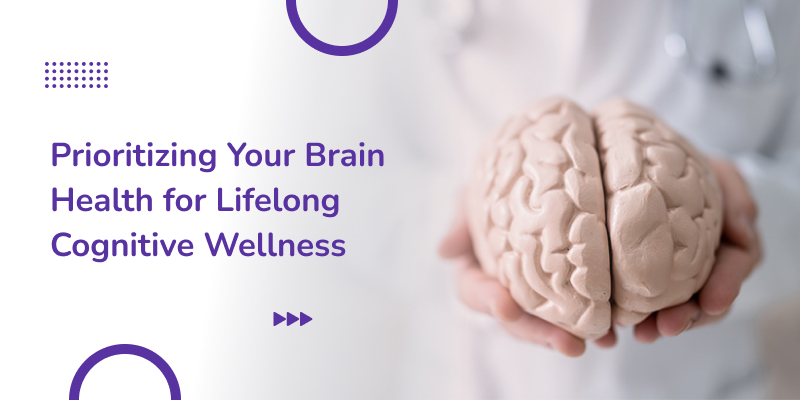
Prioritizing Your Brain Health for Lifelong Cognitive Wellness

June marks Alzheimer’s and Brain Awareness Month—a crucial time to focus on brain health and spotlight dementia prevention.
Alzheimer's affects the areas of the brain responsible for reasoning, language, and memory. Preventing Alzheimer's risk is possible by maintaining good brain health through:
- Good nutrition
- Stress management
- Mental exercises
Incorporating/adopting these habits promotes brain function and minimizes the risk of cognitive decline, protecting your neurological future.
To highlight Alzheimer's and Brain Awareness Month, we encourage communities to enhance wellness by utilizing innovative tools such as the REAN Foundation’s REAN HealthGuru app. Our digital platform is the perfect companion for tracking cognitive exercises, managing brain-health metrics, and setting reminders for brain-healthy habits, empowering you in your brain health journey.
In this article, we’ll explore the importance of protecting brain health and practical steps to reduce the risk of Alzheimer’s.
Understanding Alzheimer's and the Urgency for Brain Wellness Measures
Alzheimer's disease—the most common form of dementia—is a neurodegenerative disorder (progressive condition) that disrupts crucial brain functions, making routine tasks increasingly challenging and gradually impairing memory, thinking, and behavior.
With millions of people worldwide living with Alzheimer's or other dementias, understanding these conditions becomes critical for brain wellness. This is exactly why initiatives like Alzheimer’s and Brain Awareness Month matter.
Four key factors influence the risk of Alzheimer’s:
- Age: It is the most significant risk factor for Alzheimer's—with a majority of patients being 65 and older. When we get older, the brain experiences/undergoes structural and functional changes that affect the normal function of the organ.
- Family History and Genetics: These two factors can make you prone to Alzheimer’s (elevated risk). Alterations in how the APOE gene (apolipoprotein E gene) operates can contribute to/lead to Alzheimer’s development.
- Lifestyle Factors: Hypertension, weight gain (obesity), diabetes, a sedentary lifestyle, and health-debilitating habits like smoking can drive/propel cognitive decline and enhance the likelihood (possibility) of Alzheimer's.
- Brain Injuries and Certain Medical Conditions: Severe/traumatic head (brain) injuries and specific medical conditions, like Down syndrome, can damage the brain cells and impact normal brain function, increasing one’s risk for Alzheimer’s.
Also Read: The 7 Stages of Alzheimer’s Disease
What are the early warning signs of Alzheimer’s?
Forgetfulness (a prevalent symptom—common factor) is usually confused/mistaken as one of the early Alzheimer’s symptoms. But it is merely a part of the process of normal aging. What is really significant is memory loss that affects everyday life.
The following symptoms that come along with memory loss may/could indicate something serious:
- Forgetting/difficulty remembering names, dates, and significant occurrences (events) such as birthdays, weddings, and anniversaries
- Repeating questions/information (details) too many times
- Having a problem following instructions, directions, or solving simple problems
- Getting confused while traveling (struggling to navigate) and losing the way, even in well-known areas/localities
- Irregular/unpredictable mood changes (mood swings), confusion, and disorientation
If you recognize these shifts, it is crucial to consult with healthcare providers who can help create support plans that address current needs while safeguarding long-term function.
Understanding these brain-altering realities makes our upcoming evidence-based nutrition strategies more compelling. Let's take a look/decode.
Fueling Your Mind: How to Improve Brain Health With the Right Diet
Your brain needs/thrives on nutritious food to maintain optimal cognitive function. If you're curious about how to improve brain health, one of the most impactful starting points is your diet.
Eating a healthy diet (brain foods) involves focusing on key food groups known as cognitive superfoods for their essential role in brain health:
- Green Vegetables: First, consider kale, spinach, and collard greens—rich in vitamins and antioxidants that nourish brain cells. These nutrients work like microscopic mechanics, maintaining your brain's neural pathways to support memory retention and problem-solving skills.
- Berries: Blueberries and strawberries are rich in antioxidants, which act as protective barriers against cellular wear and tear. They also neutralize destructive/harmful free radicals, safeguarding your brain's communication networks over time.
- Fatty Fish: Salmon and tuna provide omega-3 fatty acids—the building blocks required to sustain/maintain brain tissue structure (integrity) and facilitate transmission of nerve signals. Regular intake ensures/supports both short-term mental clarity and long-term brain health.
- Sustainable Energy Boosters: Don't skip/overlook the whole grains such as brown rice and quinoa. Such foods gradually release energy to avoid mental exhaustion and supply B vitamins that facilitate the conversion of nutrients into neurological fuel.
- Water: Water is an essential element of a mind diet. Combine/pair the foods listed above with constant (regular) hydration, as water composition makes your brain extremely sensitive to dehydration-induced fatigue.
Ultimately, selecting these mind-conscious foods is your practical armor against neurological aging. As sound/proper nutrition constructs cellular reinforcement, we'll next discuss how an active lifestyle consolidates your cognitive health.
Engaging Your Mind and Body: Active Lifestyle Pillars for Sustained Brain Health
There's no single solution for sustaining cognitive vitality. Ensuring dementia prevention and brain health requires these three key interconnected pillars:
- Physical activity
- Mental stimulation
- Social connections
While many people focus entirely on puzzles/vitamins, the most resilient brain strategy comprises weaving together these three aspects through everyday living:
Physical Activity
Physical activity and brain health are closely related. Cardiovascular exercises aren't just burning calories—they're pumping lifeblood to neural networks while reducing the risks of cognitive decline.
For best results, aim for the sweet spot of 150 minutes weekly.
- Use the stairs, not the elevators.
- Park further from the storefronts and walk.
- Indulge in morning yoga flows.
Regular physical exercise is key to keeping your brain active and engaged—regardless of your age.
Mental Stimulation
Learning a new language through apps during commutes, completing Sunday newspaper crosswords with family, or trying DIY furniture building projects—these aren't just leisure activities but essential training. These exercises help build your cognitive reserve through novel activities that challenge your brain.
Turn memory-boosting workouts (memory exercises) into family competitions/trivia nights where laughter becomes cognitive fuel. This type of mental stimulation is vital for long-term brain health.
Also Read: Everything You Need to Know About Alzheimer’s Disease- Prevention, Diagnosis, and Care
Social Connections
Your social network completes this triad, encouraging/promoting social engagement. For instance, a volunteer gig reading to school children accomplishes triple duty:
- Connecting with the community
- Stimulating language centers, explaining/unraveling plot surprises (twists)
- Activating reward centers through meaningful engagement and social interaction
Even simple activities such as weekly coffee dates with friends/FaceTime sessions (spending time with loved ones—family) build emotional safety nets that promote mental well-being.
These three pillars work synergistically to promote/support overall cognitive function and can lower the risk of cognitive decline, including Alzheimer's disease, encouraging a brain-healthy lifestyle.
Sustaining brain health also depends on consistent, everyday habits—which we’ll unpack next.
Securing Your Cognitive Health: Steps Toward Safeguarding the Brain
The modern approach to sustained brain wellness and “cognitive vitality” combines targeted lifestyle changes with strategic neural risk management through evidence-based daily practices:
7–9 Hours of Quality Sleep
Quality sleep rejuvenates, refreshes, and refills/replenishes your brain and prepares you mentally to face/tackle another day in your life. Sleep is like a reboot button that powers your memory and brain function. If sleep disturbances are keeping you awake, you need to take action immediately.
Chronic Illness Management
Brain health and physical wellness are intricate aspects/components of your overall well-being. To preserve this fine (delicate) balance, it is important to continue managing chronic conditions through medical assessments and prompt treatments.
Mental Engagement
Continue challenging your brain with ongoing learning experiences/opportunities and intellectually demanding hobbies that sharpen your mental agility. Try engaging in:
- Jigsaw puzzles
- Abstract artwork
- Strategic board games
These activities/hobbies keep your mind engaged (active state), hardly ever allowing it to go idle and unutilized.
Nurturing Mental Wellness
Mental and physical wellness go hand-in-hand. Repeated/recurrent episodes of mental depression may/can raise the risk of cognitive decline. Hence, it is crucial to consult experts/counselors if you exhibit any signs of mental health issues. Incorporating stress management by means of yoga, mindfulness, and meditation can also foster/nurture your mental well-being, which in turn supports your brain health.
What is the main goal of Alzheimer’s and Brain Awareness Month?
The aim is to raise awareness to adopt proactive measures to place healthy life as the first priority (core importance), improve/strengthen your brain health, and avoid cognitive decline.
REAN Foundation invites you to “Start Your Journey to Better Health With Us”—your brain is worthy of a healthy future. For individuals—globally—who are seeking proactive “brain health” management, we convert theory into individualized action. Our digital platform simplifies vitals tracking, physical activity, nutrition, and mental health management.
Connect with us today to optimize your brain health and for more information on our user-friendly (easy-to-use) health tech developed specifically for brain health!
June marks Alzheimer’s and Brain Awareness Month—a crucial time to focus on brain health and spotlight dementia prevention.
Alzheimer's affects the areas of the brain responsible for reasoning, language, and memory. Preventing Alzheimer's risk is possible by maintaining good brain health through:
- Good nutrition
- Stress management
- Mental exercises
Incorporating/adopting these habits promotes brain function and minimizes the risk of cognitive decline, protecting your neurological future.
To highlight Alzheimer's and Brain Awareness Month, we encourage communities to enhance wellness by utilizing innovative tools such as the REAN Foundation’s REAN HealthGuru app. Our digital platform is the perfect companion for tracking cognitive exercises, managing brain-health metrics, and setting reminders for brain-healthy habits, empowering you in your brain health journey.
In this article, we’ll explore the importance of protecting brain health and practical steps to reduce the risk of Alzheimer’s.
Understanding Alzheimer's and the Urgency for Brain Wellness Measures
Alzheimer's disease—the most common form of dementia—is a neurodegenerative disorder (progressive condition) that disrupts crucial brain functions, making routine tasks increasingly challenging and gradually impairing memory, thinking, and behavior.
With millions of people worldwide living with Alzheimer's or other dementias, understanding these conditions becomes critical for brain wellness. This is exactly why initiatives like Alzheimer’s and Brain Awareness Month matter.
Four key factors influence the risk of Alzheimer’s:
- Age: It is the most significant risk factor for Alzheimer's—with a majority of patients being 65 and older. When we get older, the brain experiences/undergoes structural and functional changes that affect the normal function of the organ.
- Family History and Genetics: These two factors can make you prone to Alzheimer’s (elevated risk). Alterations in how the APOE gene (apolipoprotein E gene) operates can contribute to/lead to Alzheimer’s development.
- Lifestyle Factors: Hypertension, weight gain (obesity), diabetes, a sedentary lifestyle, and health-debilitating habits like smoking can drive/propel cognitive decline and enhance the likelihood (possibility) of Alzheimer's.
- Brain Injuries and Certain Medical Conditions: Severe/traumatic head (brain) injuries and specific medical conditions, like Down syndrome, can damage the brain cells and impact normal brain function, increasing one’s risk for Alzheimer’s.
Also Read: The 7 Stages of Alzheimer’s Disease
What are the early warning signs of Alzheimer’s?
Forgetfulness (a prevalent symptom—common factor) is usually confused/mistaken as one of the early Alzheimer’s symptoms. But it is merely a part of the process of normal aging. What is really significant is memory loss that affects everyday life.
The following symptoms that come along with memory loss may/could indicate something serious:
- Forgetting/difficulty remembering names, dates, and significant occurrences (events) such as birthdays, weddings, and anniversaries
- Repeating questions/information (details) too many times
- Having a problem following instructions, directions, or solving simple problems
- Getting confused while traveling (struggling to navigate) and losing the way, even in well-known areas/localities
- Irregular/unpredictable mood changes (mood swings), confusion, and disorientation
If you recognize these shifts, it is crucial to consult with healthcare providers who can help create support plans that address current needs while safeguarding long-term function.
Understanding these brain-altering realities makes our upcoming evidence-based nutrition strategies more compelling. Let's take a look/decode.
Fueling Your Mind: How to Improve Brain Health With the Right Diet
Your brain needs/thrives on nutritious food to maintain optimal cognitive function. If you're curious about how to improve brain health, one of the most impactful starting points is your diet.
Eating a healthy diet (brain foods) involves focusing on key food groups known as cognitive superfoods for their essential role in brain health:
- Green Vegetables: First, consider kale, spinach, and collard greens—rich in vitamins and antioxidants that nourish brain cells. These nutrients work like microscopic mechanics, maintaining your brain's neural pathways to support memory retention and problem-solving skills.
- Berries: Blueberries and strawberries are rich in antioxidants, which act as protective barriers against cellular wear and tear. They also neutralize destructive/harmful free radicals, safeguarding your brain's communication networks over time.
- Fatty Fish: Salmon and tuna provide omega-3 fatty acids—the building blocks required to sustain/maintain brain tissue structure (integrity) and facilitate transmission of nerve signals. Regular intake ensures/supports both short-term mental clarity and long-term brain health.
- Sustainable Energy Boosters: Don't skip/overlook the whole grains such as brown rice and quinoa. Such foods gradually release energy to avoid mental exhaustion and supply B vitamins that facilitate the conversion of nutrients into neurological fuel.
- Water: Water is an essential element of a mind diet. Combine/pair the foods listed above with constant (regular) hydration, as water composition makes your brain extremely sensitive to dehydration-induced fatigue.
Ultimately, selecting these mind-conscious foods is your practical armor against neurological aging. As sound/proper nutrition constructs cellular reinforcement, we'll next discuss how an active lifestyle consolidates your cognitive health.
Engaging Your Mind and Body: Active Lifestyle Pillars for Sustained Brain Health
There's no single solution for sustaining cognitive vitality. Ensuring dementia prevention and brain health requires these three key interconnected pillars:
- Physical activity
- Mental stimulation
- Social connections
While many people focus entirely on puzzles/vitamins, the most resilient brain strategy comprises weaving together these three aspects through everyday living:
Physical Activity
Physical activity and brain health are closely related. Cardiovascular exercises aren't just burning calories—they're pumping lifeblood to neural networks while reducing the risks of cognitive decline.
For best results, aim for the sweet spot of 150 minutes weekly.
- Use the stairs, not the elevators.
- Park further from the storefronts and walk.
- Indulge in morning yoga flows.
Regular physical exercise is key to keeping your brain active and engaged—regardless of your age.
Mental Stimulation
Learning a new language through apps during commutes, completing Sunday newspaper crosswords with family, or trying DIY furniture building projects—these aren't just leisure activities but essential training. These exercises help build your cognitive reserve through novel activities that challenge your brain.
Turn memory-boosting workouts (memory exercises) into family competitions/trivia nights where laughter becomes cognitive fuel. This type of mental stimulation is vital for long-term brain health.
Also Read: Everything You Need to Know About Alzheimer’s Disease- Prevention, Diagnosis, and Care
Social Connections
Your social network completes this triad, encouraging/promoting social engagement. For instance, a volunteer gig reading to school children accomplishes triple duty:
- Connecting with the community
- Stimulating language centers, explaining/unraveling plot surprises (twists)
- Activating reward centers through meaningful engagement and social interaction
Even simple activities such as weekly coffee dates with friends/FaceTime sessions (spending time with loved ones—family) build emotional safety nets that promote mental well-being.
These three pillars work synergistically to promote/support overall cognitive function and can lower the risk of cognitive decline, including Alzheimer's disease, encouraging a brain-healthy lifestyle.
Sustaining brain health also depends on consistent, everyday habits—which we’ll unpack next.
Securing Your Cognitive Health: Steps Toward Safeguarding the Brain
The modern approach to sustained brain wellness and “cognitive vitality” combines targeted lifestyle changes with strategic neural risk management through evidence-based daily practices:
7–9 Hours of Quality Sleep
Quality sleep rejuvenates, refreshes, and refills/replenishes your brain and prepares you mentally to face/tackle another day in your life. Sleep is like a reboot button that powers your memory and brain function. If sleep disturbances are keeping you awake, you need to take action immediately.
Chronic Illness Management
Brain health and physical wellness are intricate aspects/components of your overall well-being. To preserve this fine (delicate) balance, it is important to continue managing chronic conditions through medical assessments and prompt treatments.
Mental Engagement
Continue challenging your brain with ongoing learning experiences/opportunities and intellectually demanding hobbies that sharpen your mental agility. Try engaging in:
- Jigsaw puzzles
- Abstract artwork
- Strategic board games
These activities/hobbies keep your mind engaged (active state), hardly ever allowing it to go idle and unutilized.
Nurturing Mental Wellness
Mental and physical wellness go hand-in-hand. Repeated/recurrent episodes of mental depression may/can raise the risk of cognitive decline. Hence, it is crucial to consult experts/counselors if you exhibit any signs of mental health issues. Incorporating stress management by means of yoga, mindfulness, and meditation can also foster/nurture your mental well-being, which in turn supports your brain health.
What is the main goal of Alzheimer’s and Brain Awareness Month?
The aim is to raise awareness to adopt proactive measures to place healthy life as the first priority (core importance), improve/strengthen your brain health, and avoid cognitive decline.
REAN Foundation invites you to “Start Your Journey to Better Health With Us”—your brain is worthy of a healthy future. For individuals—globally—who are seeking proactive “brain health” management, we convert theory into individualized action. Our digital platform simplifies vitals tracking, physical activity, nutrition, and mental health management.
Connect with us today to optimize your brain health and for more information on our user-friendly (easy-to-use) health tech developed specifically for brain health!
About The Author