
Exploring the Importance of Personal Hygiene for Family Wellness

Personal hygiene is about maintaining cleanliness and promoting overall well-being for your family.
Therefore, understanding the importance of personal hygiene is your primary shield against health risks and disease. And by combining “simple daily hygiene practices” with the support of “digital health platforms” like the REAN Foundation’s REAN HealthGuru, you can effectively strengthen your approach to your family’s long-term wellness.
This guide explains how you can build these healthy routines and create a happier, healthier home for everyone. Let’s start with some important questions about personal hygiene.
Key Questions About Personal Hygiene
What Are the Five Importance of Hygiene?
The five key importance of hygiene are:
- Preventing the spread of germs and infections
- Maintaining healthy skin, teeth, and hair
- Supporting mental and emotional well-being
- Boosting social confidence and self-esteem
- Protecting vulnerable family members — including children and aging parents
Together, these benefits help create a safer, healthier home environment.
What is the Most Important Aspect of Personal Hygiene?
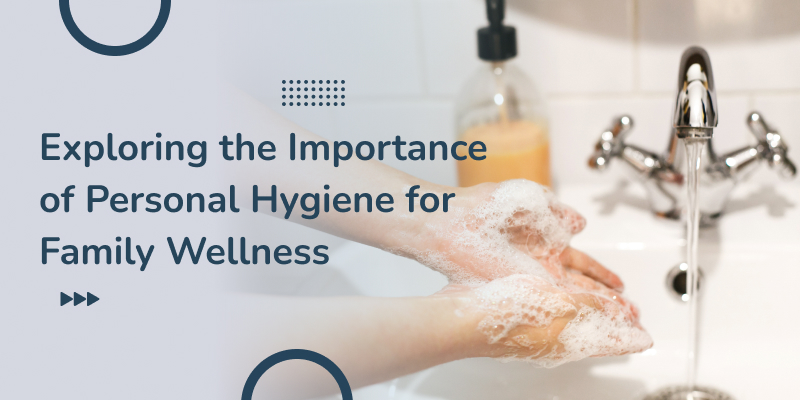
Among all hygiene practices, proper hand hygiene is the most important. Since hands easily carry germs from surfaces and toys to the body, regular handwashing with soap and water greatly reduces the risk of common illnesses and helps protect your family’s health.
Next, let’s understand why simple hygiene habits are key to staying healthy.
Hygiene is Your Family's First Defense Against Illness
The core purpose of personal hygiene is to prevent the spread of contagious diseases.
- Regular practices like washing hands, bathing, and keeping living spaces clean are key to infection control — significantly reducing the transmission of harmful bacteria and viruses.
Beyond disease prevention, personal hygiene greatly impacts mental and emotional well-being — especially in children:
- Feeling clean lifts your child's mood, reduces anxiety, and cuts down on self-consciousness.
- Good personal hygiene directly boosts your child's self-esteem and confidence in social settings — this confidence enhances their interactions with peers, leading to greater social acceptance.
- A well-groomed appearance makes your child more approachable — fostering positive interactions in both personal and social spaces.
Altogether, these points highlight the importance of personal hygiene, as poor hygiene:
- Creates an ideal environment for germs to grow.
- Makes the body vulnerable to infections.
- Affects your child’s comfort and confidence in social settings.
Ultimately, building a few simple hygiene habits is one of the most effective ways to prevent illness and boost confidence — let’s explore these practices next.
Also Read: Exposing The Top 5 Myths About Self-Care
Essential Personal Hygiene Practices for Your Family
Below are essential daily practices to support your family’s well-being:
Proper Hand Hygiene
Regularly washing hands with soap and water is highly effective because it helps eliminate harmful bacteria and viruses.
- Scrub hands for at least 20 seconds.
Dental / Oral Hygiene
This simple routine helps prevent common dental issues — like cavities, gum disease, and bad breath.
- Brush teeth for two minutes twice a day using a fluoride toothpaste.
- Floss daily to remove plaque from between the teeth and under the gumline.
Regular Showering / Bathing
A daily shower or bath helps to rinse away dead skin cells, oil, and bacteria, which in turn prevents body odor and potential skin infections.
- Pay special attention to areas that accumulate more sweat — such as the armpits, groin, and in between the toes.
- Regular hair washing is just as important — as it prevents the buildup of oil and dandruff.
Trim Finger Nails
Keeping fingernails trimmed and clean prevents dirt and germs from getting trapped underneath.
Knowing these key practices is important for the whole family — and especially for children, who are still learning lifelong habits. Let’s explore the routines children should adopt next.
Building Lasting Hygiene Routines for Your Children
A consistent routine is almost always the foundation of a good habit.
For these habits to last in your children, they need to be integrated at the same time each day — like brushing teeth right after breakfast and before bed.
Here are a few simple strategies to make these routines stick:
- Use Visual Cues — Place a “Did you wash your hands?” sign next to the bathroom light switch. These visual prompts help children remember their tasks independently — building their sense of responsibility.
- Set Reminders — Use a phone alarm or a kitchen timer for specific tasks. For example, set a timer for two minutes to brush your teeth.
- Make It Fun — Turn hygiene into a fun activity by using colorful soaps, singing songs while washing hands, or letting your child pick their own toothbrush.
- Use Rewards — A sticker chart for completing hygiene tasks encourages children to continue these good habits.
- Stay Positive — Above all, always encourage and don't shame. This positive approach helps children view hygiene as a form of self-care — not a chore — and builds their confidence in taking care of themselves.
With daily practice, these habits become second nature — keeping your child healthy.
Next, let’s explore how good hygiene practices protect not just ourselves, but also the people around us.
Good Hygiene Supports a Healthy Community
Practicing good personal hygiene extends its benefits beyond just the individual — contributing to a healthier and more respectful community environment.
- By consistently washing your hands and covering your sneezes, you directly protect your family and loved ones from the spread of germs and illness.
- This is not just about self-care — it's a clear demonstration of respect for both yourself and the people around you.
If you live with toddlers or aging parents, the importance of these habits becomes even more critical — as their health can be more vulnerable to infections:
For example:
- When your child washes their hands before hugging elders, they are doing more than staying clean — they are actively helping to protect their health.
- Similarly, at school, washing hands after a sneeze can keep friends and classmates safe in shared spaces — showing care for the entire classroom community.
Ultimately, these actions have a direct impact on the well-being of the family, friends, and community. Through these habits, you are building a lasting foundation of health and care for your entire family.
Making Family Hygiene a Simple and Lasting Habit
Understanding the importance of personal hygiene is a fundamental aspect of a healthy and fulfilling life for your family.
By adopting good personal hygiene practices and making them a consistent part of your daily routine, you not only protect your family's health but also demonstrate a clear responsibility towards the well-being of others.
The REAN Foundation helps individuals globally improve their family’s overall health and well-being — supporting both physical wellness and emotional confidence.
Got the passion for a healthier home and a brighter future? Start your journey to better health with us!
Personal hygiene is about maintaining cleanliness and promoting overall well-being for your family.
Therefore, understanding the importance of personal hygiene is your primary shield against health risks and disease. And by combining “simple daily hygiene practices” with the support of “digital health platforms” like the REAN Foundation’s REAN HealthGuru, you can effectively strengthen your approach to your family’s long-term wellness.
This guide explains how you can build these healthy routines and create a happier, healthier home for everyone. Let’s start with some important questions about personal hygiene.
Key Questions About Personal Hygiene
What Are the Five Importance of Hygiene?
The five key importance of hygiene are:
- Preventing the spread of germs and infections
- Maintaining healthy skin, teeth, and hair
- Supporting mental and emotional well-being
- Boosting social confidence and self-esteem
- Protecting vulnerable family members — including children and aging parents
Together, these benefits help create a safer, healthier home environment.
What is the Most Important Aspect of Personal Hygiene?
Among all hygiene practices, proper hand hygiene is the most important. Since hands easily carry germs from surfaces and toys to the body, regular handwashing with soap and water greatly reduces the risk of common illnesses and helps protect your family’s health.
Next, let’s understand why simple hygiene habits are key to staying healthy.
Hygiene is Your Family's First Defense Against Illness
The core purpose of personal hygiene is to prevent the spread of contagious diseases.
- Regular practices like washing hands, bathing, and keeping living spaces clean are key to infection control — significantly reducing the transmission of harmful bacteria and viruses.
Beyond disease prevention, personal hygiene greatly impacts mental and emotional well-being — especially in children:
- Feeling clean lifts your child's mood, reduces anxiety, and cuts down on self-consciousness.
- Good personal hygiene directly boosts your child's self-esteem and confidence in social settings — this confidence enhances their interactions with peers, leading to greater social acceptance.
- A well-groomed appearance makes your child more approachable — fostering positive interactions in both personal and social spaces.
Altogether, these points highlight the importance of personal hygiene, as poor hygiene:
- Creates an ideal environment for germs to grow.
- Makes the body vulnerable to infections.
- Affects your child’s comfort and confidence in social settings.
Ultimately, building a few simple hygiene habits is one of the most effective ways to prevent illness and boost confidence — let’s explore these practices next.
Also Read: Exposing The Top 5 Myths About Self-Care
Essential Personal Hygiene Practices for Your Family
Below are essential daily practices to support your family’s well-being:
Proper Hand Hygiene
Regularly washing hands with soap and water is highly effective because it helps eliminate harmful bacteria and viruses.
- Scrub hands for at least 20 seconds.
Dental / Oral Hygiene
This simple routine helps prevent common dental issues — like cavities, gum disease, and bad breath.
- Brush teeth for two minutes twice a day using a fluoride toothpaste.
- Floss daily to remove plaque from between the teeth and under the gumline.
Regular Showering / Bathing
A daily shower or bath helps to rinse away dead skin cells, oil, and bacteria, which in turn prevents body odor and potential skin infections.
- Pay special attention to areas that accumulate more sweat — such as the armpits, groin, and in between the toes.
- Regular hair washing is just as important — as it prevents the buildup of oil and dandruff.
Trim Finger Nails
Keeping fingernails trimmed and clean prevents dirt and germs from getting trapped underneath.
Knowing these key practices is important for the whole family — and especially for children, who are still learning lifelong habits. Let’s explore the routines children should adopt next.
Building Lasting Hygiene Routines for Your Children
A consistent routine is almost always the foundation of a good habit.
For these habits to last in your children, they need to be integrated at the same time each day — like brushing teeth right after breakfast and before bed.
Here are a few simple strategies to make these routines stick:
- Use Visual Cues — Place a “Did you wash your hands?” sign next to the bathroom light switch. These visual prompts help children remember their tasks independently — building their sense of responsibility.
- Set Reminders — Use a phone alarm or a kitchen timer for specific tasks. For example, set a timer for two minutes to brush your teeth.
- Make It Fun — Turn hygiene into a fun activity by using colorful soaps, singing songs while washing hands, or letting your child pick their own toothbrush.
- Use Rewards — A sticker chart for completing hygiene tasks encourages children to continue these good habits.
- Stay Positive — Above all, always encourage and don't shame. This positive approach helps children view hygiene as a form of self-care — not a chore — and builds their confidence in taking care of themselves.
With daily practice, these habits become second nature — keeping your child healthy.
Next, let’s explore how good hygiene practices protect not just ourselves, but also the people around us.
Good Hygiene Supports a Healthy Community
Practicing good personal hygiene extends its benefits beyond just the individual — contributing to a healthier and more respectful community environment.
- By consistently washing your hands and covering your sneezes, you directly protect your family and loved ones from the spread of germs and illness.
- This is not just about self-care — it's a clear demonstration of respect for both yourself and the people around you.
If you live with toddlers or aging parents, the importance of these habits becomes even more critical — as their health can be more vulnerable to infections:
For example:
- When your child washes their hands before hugging elders, they are doing more than staying clean — they are actively helping to protect their health.
- Similarly, at school, washing hands after a sneeze can keep friends and classmates safe in shared spaces — showing care for the entire classroom community.
Ultimately, these actions have a direct impact on the well-being of the family, friends, and community. Through these habits, you are building a lasting foundation of health and care for your entire family.
Making Family Hygiene a Simple and Lasting Habit
Understanding the importance of personal hygiene is a fundamental aspect of a healthy and fulfilling life for your family.
By adopting good personal hygiene practices and making them a consistent part of your daily routine, you not only protect your family's health but also demonstrate a clear responsibility towards the well-being of others.
The REAN Foundation helps individuals globally improve their family’s overall health and well-being — supporting both physical wellness and emotional confidence.
Got the passion for a healthier home and a brighter future? Start your journey to better health with us!
About The Author