

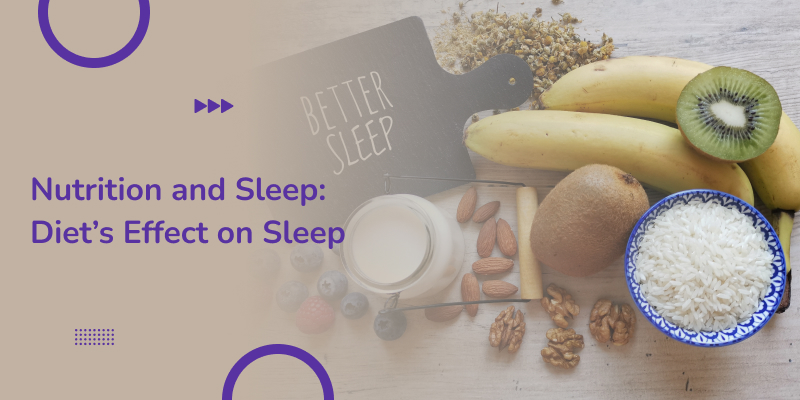
Nourish to Rest: The Impact of Food on Sleep Quality

You likely already know that what you eat before bed can impact your sleep. Maybe you’ve experienced a restless night after enjoying a late coffee with dessert. But did you realize that your daily food choices can also influence how well you sleep at night? Emerging research shows that overall dietary habits play a crucial role in sleep quality and even contribute to insomnia. In this blog, we’ll dive into the connection between nutrition and sleep, explore sleep-promoting foods, identify those that may disrupt sleep, and answer common questions about food and rest. And, if you have further questions, REAN HealthGuru can help you with the right answers and the best diet choices!
Relationship Between Diet, Nutrition, and Sleep
Your food habits and nutritional standards affect practically all aspects of your health. Food intake and several health issues are correlated. For example, heart ailments, stroke, diabetes, and obesity. The nature, quality, and length of sleep also depend heavily on what you eat, how much you eat, and when you eat. For example, a diet high in calories or fat may also make sleeping hard. Magnesium, calcium, and vitamin A, C, D, E, and K deficiency can lead to sleep issues or deprivation. Vitamin D deficiency, for example, can lead to shorter sleep, delayed sleep, low-quality sleep, and nightmare wakings. Vitamin D is a secosteroid necessary for intestinal absorption of calcium, magnesium, etc., which are additionally responsible for our sleep.
Sleep Optimization: Foods and Habits That Matter
So what foods and habits will improve our sleep, and what will degrade it? Let us have a quick view:
Foods That Improve Sleep
Your food intake is critical to sleep. It should contain sleep-fostering constituents like tryptophan, essential vitamins, melatonin, or serotonin. The food items listed below can contribute to adequate nutrition to improve and maintain the quality of your sleep:
- Bananas (rich in magnesium and potassium that help in relaxing your muscles)
- Oats (for serotonin to boost brain functions)
- Almonds (for tryptophan and magnesium)
- Salmon (for omega-3)
- Cherries (for melatonin that controls sleep-wake cycles)
- Leafy vegetables like spinach and kale (for magnesium)
- Herbal drinks like chamomile and valerian root (to cure multiple sleep disorders, including insomnia)
Other foods that help include:
- Kiwi fruit
- Oysters
- Poultry
- Milk and cheese
- Eggs
- Beans
- Pumpkin seeds
- A diet high in vegetables
- Grain mixes containing tryptophan
Generally, it is good to have simple carbohydrates four hours before sleep. Avoid carbohydrates or glucose-rich food at bedtime. A diet balanced with carbohydrates, proteins, and fat is good for sleep.
Also Read : Risks & Causes of Lack of Sleep and Tips for Better Sleep
Foods to Avoid for Better Sleep
Avoiding certain foods will, on the other hand, improve your sleep and relaxation. Here are a few examples:
Saturated fats, found in foods like fries, processed snacks, and burgers, can reduce slow-wave sleep—the most vital stage of sleep. Since digestion naturally slows during sleep, going to bed right after a heavy, high-protein meal like a steak can leave you feeling uncomfortably full, disrupting your rest. Similarly, foods high in saturated fats can negatively impact sleep patterns.
Refined carbohydrates, such as pasta and white bread, are digested quickly, which may wake you hungry if consumed at dinner. Spicy foods, while flavorful, can trigger heartburn, making it uncomfortable to lie down and fall asleep.
Caffeine, especially when consumed late in the day, is a well-known sleep disruptor due to its stimulating effects, keeping you alert when you should be winding down.
While unwinding with a glass of wine or beer at dinner can feel relaxing, alcohol often leads to interrupted sleep. As it wears off, you might wake up suddenly and struggle to fall back asleep. Additionally, alcohol can worsen symptoms of obstructive sleep apnea (OSA), further impacting sleep quality.
Habits for Improved Sleep
- Eating conventional meals at specific times.
- Avoiding coffee, energy drinks, and soda from your diet at least later in the day.
- Avoiding late-night eating and snacking, mainly processed snacks.
- Establishing a routine of regular physical exercises suitable for your age and health, along with practicing relaxation techniques to calm your mind and induce sleep.
- Avoiding heavy workouts at least two hours before bedtime.
- Do not have arguments and tensing engagements closer to your bedtime.
- Avoiding digital stress and cultivate the habit of switching off your digital devices well before sleep.
- Not having a live mobile, digital device, or active charging station close to your bed.
Gain Better Sleep Through Balanced Nutrition
A balanced, nutritious diet that includes the recommended foods and adheres to healthy habits can help you relax and sleep deeply. Your habits and diet interact to give you the best sleep and relaxation possible. To ignore one is to defeat the very purpose of the regime.
If you are unsure where and how to begin, the experts at REAN Foundation can help. We can help you identify any nutritional deficiencies or sleep disorders you may have. Talk to us today about how you can improve your nutrition and sleep habits!
You likely already know that what you eat before bed can impact your sleep. Maybe you’ve experienced a restless night after enjoying a late coffee with dessert. But did you realize that your daily food choices can also influence how well you sleep at night? Emerging research shows that overall dietary habits play a crucial role in sleep quality and even contribute to insomnia. In this blog, we’ll dive into the connection between nutrition and sleep, explore sleep-promoting foods, identify those that may disrupt sleep, and answer common questions about food and rest. And, if you have further questions, REAN HealthGuru can help you with the right answers and the best diet choices!
Relationship Between Diet, Nutrition, and Sleep
Your food habits and nutritional standards affect practically all aspects of your health. Food intake and several health issues are correlated. For example, heart ailments, stroke, diabetes, and obesity. The nature, quality, and length of sleep also depend heavily on what you eat, how much you eat, and when you eat. For example, a diet high in calories or fat may also make sleeping hard. Magnesium, calcium, and vitamin A, C, D, E, and K deficiency can lead to sleep issues or deprivation. Vitamin D deficiency, for example, can lead to shorter sleep, delayed sleep, low-quality sleep, and nightmare wakings. Vitamin D is a secosteroid necessary for intestinal absorption of calcium, magnesium, etc., which are additionally responsible for our sleep.
Sleep Optimization: Foods and Habits That Matter
So what foods and habits will improve our sleep, and what will degrade it? Let us have a quick view:
Foods That Improve Sleep
Your food intake is critical to sleep. It should contain sleep-fostering constituents like tryptophan, essential vitamins, melatonin, or serotonin. The food items listed below can contribute to adequate nutrition to improve and maintain the quality of your sleep:
- Bananas (rich in magnesium and potassium that help in relaxing your muscles)
- Oats (for serotonin to boost brain functions)
- Almonds (for tryptophan and magnesium)
- Salmon (for omega-3)
- Cherries (for melatonin that controls sleep-wake cycles)
- Leafy vegetables like spinach and kale (for magnesium)
- Herbal drinks like chamomile and valerian root (to cure multiple sleep disorders, including insomnia)
Other foods that help include:
- Kiwi fruit
- Oysters
- Poultry
- Milk and cheese
- Eggs
- Beans
- Pumpkin seeds
- A diet high in vegetables
- Grain mixes containing tryptophan
Generally, it is good to have simple carbohydrates four hours before sleep. Avoid carbohydrates or glucose-rich food at bedtime. A diet balanced with carbohydrates, proteins, and fat is good for sleep.
Also Read : Risks & Causes of Lack of Sleep and Tips for Better Sleep
Foods to Avoid for Better Sleep
Avoiding certain foods will, on the other hand, improve your sleep and relaxation. Here are a few examples:
Saturated fats, found in foods like fries, processed snacks, and burgers, can reduce slow-wave sleep—the most vital stage of sleep. Since digestion naturally slows during sleep, going to bed right after a heavy, high-protein meal like a steak can leave you feeling uncomfortably full, disrupting your rest. Similarly, foods high in saturated fats can negatively impact sleep patterns.
Refined carbohydrates, such as pasta and white bread, are digested quickly, which may wake you hungry if consumed at dinner. Spicy foods, while flavorful, can trigger heartburn, making it uncomfortable to lie down and fall asleep.
Caffeine, especially when consumed late in the day, is a well-known sleep disruptor due to its stimulating effects, keeping you alert when you should be winding down.
While unwinding with a glass of wine or beer at dinner can feel relaxing, alcohol often leads to interrupted sleep. As it wears off, you might wake up suddenly and struggle to fall back asleep. Additionally, alcohol can worsen symptoms of obstructive sleep apnea (OSA), further impacting sleep quality.
Habits for Improved Sleep
- Eating conventional meals at specific times.
- Avoiding coffee, energy drinks, and soda from your diet at least later in the day.
- Avoiding late-night eating and snacking, mainly processed snacks.
- Establishing a routine of regular physical exercises suitable for your age and health, along with practicing relaxation techniques to calm your mind and induce sleep.
- Avoiding heavy workouts at least two hours before bedtime.
- Do not have arguments and tensing engagements closer to your bedtime.
- Avoiding digital stress and cultivate the habit of switching off your digital devices well before sleep.
- Not having a live mobile, digital device, or active charging station close to your bed.
Gain Better Sleep Through Balanced Nutrition
A balanced, nutritious diet that includes the recommended foods and adheres to healthy habits can help you relax and sleep deeply. Your habits and diet interact to give you the best sleep and relaxation possible. To ignore one is to defeat the very purpose of the regime.
If you are unsure where and how to begin, the experts at REAN Foundation can help. We can help you identify any nutritional deficiencies or sleep disorders you may have. Talk to us today about how you can improve your nutrition and sleep habits!
About The Author