
Adoption of Digital Health in India

https://en.wikipedia.org/wiki/Electronic_health_recordAffordable and accessible solution to attain “Health for All” goal
In recent years amid the Covid-19 pandemic, India has been witnessing transformed consumer behaviour and a rise in the demand for digital solutions and services in almost every sector. Like others, the health sector is also going through digital evolution. Keeping in line with the changing needs, the Government of India has allowed teleconsultation and has taken promising steps towards the digital transformation of the health ecosystem. Digital health management can dramatically improve a patient's healthcare services experience and allow easy access to holistic and personalised care, regardless of location.
The vision of the honourable prime minister, Sh. Narendra Modi, with the inauguration of the National Digital Health Mission (NDHM) on 15th August 2020, rests on establishing a robust unified, data-driven and pan-India digital health system.
The Digital Health system will help India provide affordable, continuous care to individuals in remote areas at minimum cost. Efforts are being made to involve all stakeholders to make this system robust, secure and flawless. NDHM has gone through many rounds of consultations and the newly introduced system is guided by organising principles, as well as key policies and laws that ensure a favourable environment to foster further digital growth.
Digitization in other sectors provides the building blocks that can be used to introduce the digital concepts in the health ecosystem. The well established digitised version of Identification system adopted by GoI, UIDAI and the payment interface UPI are the building blocks for digital health and they are supported by mobile technology for OTP verifications (JAM Trinity).In digital healthcare ecosystem HealthID, TSPs,HSPs,PHR, e-pharmacy and teleconsultation will be the main building blocks for standardization and uniform healthcare delivery across various segments of healthcare system.
Healthcare apps and websites are paving the way in improving accessibility and availability of quality healthcare at minimal costs – both for users as well as healthcare providers. In the COVID-19 pandemic scenario, as people struggled with shortage of medical facilities, they realized how mobile platforms could solve many health challenges and help overcome limitations such as risk of infection by visiting hospitals or inaccessibility of doctors.
Also Read This: Falls In Seniors: An Imminent Threat That You Can Prevent
The unified digital health system “UHID” needs a standardized approach in order to scale access to healthcare services across India. It requires standardised formats (EHR,HL-7,ICD-10) to be accessed uniformly by every HSPs and TSPs. Standard Electronic Health Records (EHRs) can be migrated across various health interfaces, allowing doctors to provide a seamless care experience for patients across the nation irrespective of the location, tech platform and health registries.
The integration of the Indian population data will give us a significant data volume advantage, that could then be used to generate insights into disease behaviour and lifestyle patterns. It will be a huge benefit for researchers, helping them to develop new models of personalized care suitable for Indian conditions.
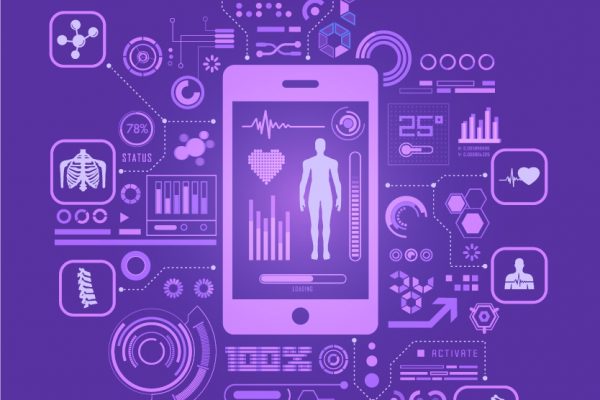
The move towards standards-based digital systems via the National Digital Health Mission is the only way to achieve this goal and will be a milestone step in the transformation of the Indian Health Ecosystem. Digitalization of health records in a universally acceptable format like UHID and PHR will give freedom to the patients from standing inpatient queues carrying heavy records files and also from expenses incurred in repeat tests due to loss of old records. Digital records will help the healthcare providers to ensure the best quality treatment reaches a wider patient base. The technology will allow patients in remote locations to receive specialist opinions through teleconsultation, thereby saving time and money. Digital health will help in drastically reducing the out of pocket expenses for patients, reducing the need for multiple doctor visits. Digitalization of health services will also enable standardisation in identification, quality of services and certification of Healthcare providers which is presently in a nascent stage in Indian healthcare delivery.
The present Indian health infrastructure is built on the strengths of both public and private sectors, contributing equally to the nation's health goals. This partnership needs to be further enhanced into the digital landscape by both the stakeholders. Private health apps and digital services providers (TSPs) have a critical role to play in bridging the gaps and addressing specific patient needs.
The integration of private healthcare app ecosystems with the national digital health structure will allow sharing of larger health databases subjected to individual consent. Such valuable data can provide insights to the government to plan targeted policy interventions modifications in national health programs. Such useful information will boost customized innovations to address specific national, state and district-level health needs.
One of the major challenges to digitising health care in India is the availability of a robust data protection policy. The digitalised individual and patient data must be highly secured, with clarity on how data must be created, stored, and protected. India will have to establish a robust framework that will protect patient health data and ensure its privacy. This will remain a major challenge to the stakeholders through the other digital platforms (UPI & UIDAI) have performed reasonably well on privacy and security concerns so it is expected that a robust system will be developed for digital health systems too.
Additionally, the new digital era for healthcare calls for investments in technology assets and the development of expertise. It will require specific soft skills and trained personnel, leading to the creation of new jobs in the field of healthcare and other related sectors.
Indian doctors are known for their knowledge in the field of medicine but they will have to adapt to the new digital landscape to leverage teleconsultations and other digital solutions to provide accessible, quality care for the patients and their families.
Standardization of data, rapid scaling, robust data security while building new-age digital skills are the basic parameters that will make India’s national digital health ecosystem user-friendly and effective for its citizens. A robust ecosystem will enable patient-centric decisions and precise health interventions, helping us to control disease outbreaks and achieve better health outcomes.
Download the REAN Health Guru App today, or visit us at https://staging.services.reanfoundation.org/ to know more on our unique healthcare platforms.
https://en.wikipedia.org/wiki/Electronic_health_recordAffordable and accessible solution to attain “Health for All” goal
In recent years amid the Covid-19 pandemic, India has been witnessing transformed consumer behaviour and a rise in the demand for digital solutions and services in almost every sector. Like others, the health sector is also going through digital evolution. Keeping in line with the changing needs, the Government of India has allowed teleconsultation and has taken promising steps towards the digital transformation of the health ecosystem. Digital health management can dramatically improve a patient's healthcare services experience and allow easy access to holistic and personalised care, regardless of location.
The vision of the honourable prime minister, Sh. Narendra Modi, with the inauguration of the National Digital Health Mission (NDHM) on 15th August 2020, rests on establishing a robust unified, data-driven and pan-India digital health system.
The Digital Health system will help India provide affordable, continuous care to individuals in remote areas at minimum cost. Efforts are being made to involve all stakeholders to make this system robust, secure and flawless. NDHM has gone through many rounds of consultations and the newly introduced system is guided by organising principles, as well as key policies and laws that ensure a favourable environment to foster further digital growth.
Digitization in other sectors provides the building blocks that can be used to introduce the digital concepts in the health ecosystem. The well established digitised version of Identification system adopted by GoI, UIDAI and the payment interface UPI are the building blocks for digital health and they are supported by mobile technology for OTP verifications (JAM Trinity).In digital healthcare ecosystem HealthID, TSPs,HSPs,PHR, e-pharmacy and teleconsultation will be the main building blocks for standardization and uniform healthcare delivery across various segments of healthcare system.
Healthcare apps and websites are paving the way in improving accessibility and availability of quality healthcare at minimal costs – both for users as well as healthcare providers. In the COVID-19 pandemic scenario, as people struggled with shortage of medical facilities, they realized how mobile platforms could solve many health challenges and help overcome limitations such as risk of infection by visiting hospitals or inaccessibility of doctors.
Also Read This: Falls In Seniors: An Imminent Threat That You Can Prevent
The unified digital health system “UHID” needs a standardized approach in order to scale access to healthcare services across India. It requires standardised formats (EHR,HL-7,ICD-10) to be accessed uniformly by every HSPs and TSPs. Standard Electronic Health Records (EHRs) can be migrated across various health interfaces, allowing doctors to provide a seamless care experience for patients across the nation irrespective of the location, tech platform and health registries.
The integration of the Indian population data will give us a significant data volume advantage, that could then be used to generate insights into disease behaviour and lifestyle patterns. It will be a huge benefit for researchers, helping them to develop new models of personalized care suitable for Indian conditions.
The move towards standards-based digital systems via the National Digital Health Mission is the only way to achieve this goal and will be a milestone step in the transformation of the Indian Health Ecosystem. Digitalization of health records in a universally acceptable format like UHID and PHR will give freedom to the patients from standing inpatient queues carrying heavy records files and also from expenses incurred in repeat tests due to loss of old records. Digital records will help the healthcare providers to ensure the best quality treatment reaches a wider patient base. The technology will allow patients in remote locations to receive specialist opinions through teleconsultation, thereby saving time and money. Digital health will help in drastically reducing the out of pocket expenses for patients, reducing the need for multiple doctor visits. Digitalization of health services will also enable standardisation in identification, quality of services and certification of Healthcare providers which is presently in a nascent stage in Indian healthcare delivery.
The present Indian health infrastructure is built on the strengths of both public and private sectors, contributing equally to the nation's health goals. This partnership needs to be further enhanced into the digital landscape by both the stakeholders. Private health apps and digital services providers (TSPs) have a critical role to play in bridging the gaps and addressing specific patient needs.
The integration of private healthcare app ecosystems with the national digital health structure will allow sharing of larger health databases subjected to individual consent. Such valuable data can provide insights to the government to plan targeted policy interventions modifications in national health programs. Such useful information will boost customized innovations to address specific national, state and district-level health needs.
One of the major challenges to digitising health care in India is the availability of a robust data protection policy. The digitalised individual and patient data must be highly secured, with clarity on how data must be created, stored, and protected. India will have to establish a robust framework that will protect patient health data and ensure its privacy. This will remain a major challenge to the stakeholders through the other digital platforms (UPI & UIDAI) have performed reasonably well on privacy and security concerns so it is expected that a robust system will be developed for digital health systems too.
Additionally, the new digital era for healthcare calls for investments in technology assets and the development of expertise. It will require specific soft skills and trained personnel, leading to the creation of new jobs in the field of healthcare and other related sectors.
Indian doctors are known for their knowledge in the field of medicine but they will have to adapt to the new digital landscape to leverage teleconsultations and other digital solutions to provide accessible, quality care for the patients and their families.
Standardization of data, rapid scaling, robust data security while building new-age digital skills are the basic parameters that will make India’s national digital health ecosystem user-friendly and effective for its citizens. A robust ecosystem will enable patient-centric decisions and precise health interventions, helping us to control disease outbreaks and achieve better health outcomes.
Download the REAN Health Guru App today, or visit us at https://staging.services.reanfoundation.org/ to know more on our unique healthcare platforms.
About The Author