
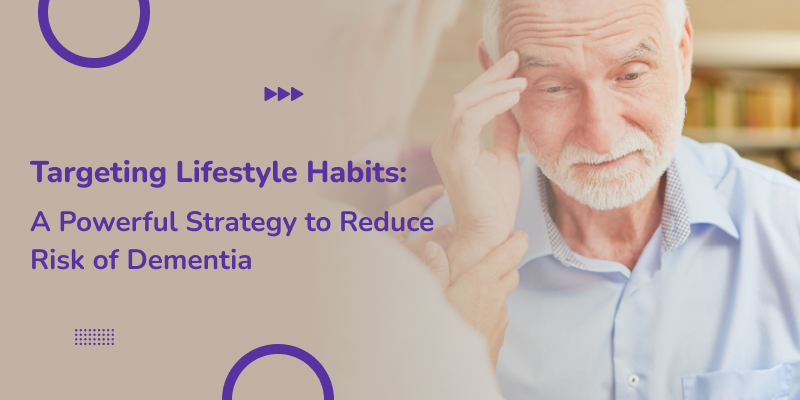
Targeting Lifestyle Habits: A Powerful Strategy to Reduce Risk of Dementia

Imagine enjoying a dementia-free retirement, where healthier choices reduce risk. This is the power of the information you're about to receive - a clear understanding of how your lifestyle influences the onset of dementia. You'll learn the importance of a nutritious diet, regular physical activity, and mental stimulation in preventing dementia. Furthermore, you'll receive practical guidance to incorporate these changes into your daily routine and ways to monitor your progress. So, it's time to take control of your well-being and lower the risk of dementia, starting now!
Understanding Dementia and Its Risk Factors
It's crucial to understand that while your genes might predispose you to this condition, your lifestyle choices can significantly influence its onset. Let's move forward and learn more about this interaction.
Genetic Factors and Dementia
Have you heard about the latest advancements in genetics that have revealed new risk factors for non-Alzheimer's dementia types, including Lewy body dementia and frontotemporal dementia? These discoveries focus on large-scale DNA changes, known as structural variants, which could potentially increase your risk for these types of dementia.
Specifically, researchers found a variant in the TCPN1 gene among patients with Lewy body dementia. This variant removes more than 300 nucleotides from the gene, potentially increasing the risk of developing this type of dementia.
Your family's dementia history could potentially increase your risk of developing it. For example, if a parent, sibling, or child in your family suffers from Alzheimer's disease, your risk of developing it increases by 10% to 30%. Furthermore, if you have the apolipoprotein E (APOE) gene, your dementia risk could rise even more.
These genetic discoveries hold great importance for future research and could potentially lead to targeted interventions to reduce the risk of dementia. But genetics is not the only factor. It's essential to consider how your lifestyle choices can also significantly contribute to preventing dementia.
The Role of a Healthy Lifestyle in Dementia Prevention
Perhaps you're familiar with the phrase, "Your health is your wealth." This rings particularly true in the context of dementia prevention. Living a healthy lifestyle, which includes maintaining a balanced diet, engaging in regular physical activity, and keeping your mind active, can significantly reduce your risk of dementia. Now, let's examine how these elements are vital in preventing dementia.
Diet and Dementia Risk
The World Alzheimer Report 2023 highlights the significance of a diverse, healthy diet in decreasing the risk of dementia. It warns against ultra-processed foods and promotes personalized diets that include local, affordable foods. A study in the medical journal BMC Medicine supports this, stating that a Mediterranean diet can reduce your risk of dementia, even if you have a genetic predisposition to the condition.
What makes the Mediterranean diet so beneficial? Here are some of the main elements of this diet:
- Low in saturated fat and sugar: This helps decrease the risk of conditions like diabetes and obesity, which heighten the risk of dementia.
- High intake of plants, especially leafy greens: This directly contributes to preserving brain health.
- Limited consumption of saturated fats and meat: This strategy is beneficial for overall health.
Besides the diet, other lifestyle choices significantly reduce dementia risk. For instance, keeping alcohol intake to no more than 21 units per week not only helps maintain a healthy weight but also reduces the risk of diabetes.
Along with a diet, physical activity also plays a vital role in preventing Dementia. Let’s explore this aspect further.
Also Read: Exploring the Fitness and Longevity Implications of a Low Resting Heart Rate
Physical Activity and Dementia Prevention
Among all lifestyle choices, regular exercise is the most impactful in reducing dementia risk. Regular physical activity is a crucial choice that can help prevent dementia. As per international guidelines in geriatric medicine, physical activity is a primary preventative against dementia. The World Health Organization, a global authority in health, strongly endorses resistance exercises, especially for older individuals. These exercises involve pushing or pulling against a force, such as your body weight.
Let's examine some intriguing results. A study published in a leading Alzheimer's research journal shared some captivating data. The benefits of regular physical activity include:
- Decreases the risk of developing mild cognitive impairment or dementia by 21 percent in women aged 65 or older.
- Serves as a deterrent for dementia in older adults.
- Decelerates the decline in thinking and memory skills in individuals with Alzheimer's.
- Boosts overall physical and mental well-being.
Research suggests that even light physical activities, like leisurely walking, can contribute to these benefits. Hence, a consistent exercise routine not only benefits overall physical health but also plays a significant role in maintaining cognitive health and reducing the risk of dementia. Health professionals recommend at least 150 minutes of exercise per week. Remember, each step you take is a step towards a healthier brain!
Mental Stimulation and Dementia
Mental stimulation significantly reduces dementia risk. Encouraging physical, mental, and social involvement could possibly prevent a considerable number of dementia cases. The BMJ published a thorough observational study that backs this up. The study shows that people with mentally stimulating jobs have a lower chance of developing dementia as they get older.
Mind-challenging activities, such as puzzles and games, are beneficial for those with mild to moderate Alzheimer's disease. Even regular, mentally stimulating activities, like reading or playing games, could potentially decrease the risk of cognitive impairment and dementia linked to Alzheimer's disease. These activities enhance memory and thinking scores, effectively postponing symptom progression by six to nine months.
Understanding the quality of life for someone living with dementia and how psychologists can improve it is crucial. Here are some intellectual leisure activities that can help you lower your dementia risk:
- Joining a club
- Manual hobbies like needlework
- Arts-related activities like visiting galleries or theaters
Remember, by focusing on mental stimulation, you're actively reducing your risk of dementia. In the next section, we'll give practical advice on making these lifestyle changes to reduce the risk of dementia.
Implementing Lifestyle Changes to Reduce Dementia Risk
The reduction of dementia risk isn't solely dependent on medical treatments; it involves a healthy lifestyle transformation. Concentrating on your diet, physical activity, and mental exercises can greatly influence your brain health. So, let's figure out how to integrate these changes into your everyday routine for a healthier future.
Creating a Balanced Diet Plan
Adopting a balanced diet plan that nourishes your brain is a key step to decreasing the risk of dementia. This means you need to include a variety of brain-supporting foods in your meals. Consider the following foods:
- Fruits and vegetables: They pack a punch with vitamins and antioxidants, protecting your brain cells from damage.
- Salmon and nuts: These foods come loaded with omega-3 fatty acids, a nutrient that boosts your brain function.
- Whole grains like brown rice and whole wheat bread: They carry nutrients that enhance communication between your brain cells.
- Olive oil: This oil comes rich in healthy fats and antioxidants.
While you focus on these beneficial foods, remember to watch your salt intake. Consuming too much salt can cause hypertension, a condition that has links to dementia. So, make it a habit to monitor your salt intake and check food labels for sodium levels.
Remember, moderation holds the key to a balanced diet. Try to fill your plate with brain-boosting foods most of the time, treating other foods as occasional treats. This balanced approach to eating plays a vital role in your strategy to reduce the risk of dementia. Read on to explore further.
Developing a Regular Exercise Regimen
What are the physical exercises you can do to initiate a regular routine to safeguard your brain health? Here are the details.
Cardio and strength training act as your best allies here. Health authorities strongly endorse resistance exercises, so ensure their presence in your routine. For beginners, there's no need for concern. You can initiate with simpler activities, such as:
- Walking
- Swimming
Also, you can weave physical activity into your hobbies. It's an enjoyable method to maintain activity, and it aids in reducing your risk of dementia.
Bear in mind even minor changes matter. Contemplate the following:
- Taking the stairs over the elevator
- Positioning your car a little further from your destination
To ensure your physical activity stays on track, consider using a tool like the REAN HealthGuru App. This physical activity planner can assist in setting achievable goals and maintaining your progress.
However, physical activity doesn't stand as the sole method to reduce the risk of dementia. Mental exercises hold importance, too. Here’s how.
Engaging in Regular Mental Exercises
To reduce the risk of dementia, it's beneficial to include mental exercises into your daily routine. Stimulate your brain by learning something new, such as a second language or a musical instrument. Why not arrange a weekly card game with your friends or play board games with your children or grandchildren?
Consider changing your routine slightly. Try using your non-dominant hand for certain tasks, learn new words and skills, or make new acquaintances. These challenges keep your brain active. But remember, your brain health isn't just about mental exercises Make sure you have regular check-ups with your doctor to monitor your progress and make some lifestyle modifications, which we have discussed in detail below.
Monitoring Progress and Adjusting Lifestyle Changes
Keeping track of your lifestyle changes and adjusting them as needed plays a vital role in lowering your dementia risk. Here's how:
- Keep a close eye on cardiovascular risk factors like high blood pressure, diabetes, and obesity. If you smoke, a combination of counseling and medication can assist you in quitting for good. Controlling these factors can significantly reduce your risk of cognitive impairment and dementia. Even minor lifestyle changes can significantly reduce the risk of Alzheimer’s disease and other chronic conditions.
- Engage in multiple healthy lifestyle behaviors. The more positive changes you make, the better!
- Regularly check your blood pressure to ensure it's within a healthy range.
Incorporate physical activity into your daily routine. Choose hobbies that involve physical activity, like hiking, swimming, running, cycling, martial arts, weight training, or yoga.
These steps are critical for brain health. And remember, getting seven to nine hours of sleep each night is essential for creating lasting memories. As you continue to make these changes, you'll be well-prepared for the journey ahead.
Here’s where REAN HealthGuru app can make a difference. Our advanced healthcare app empowers you to take control of your mental and physical health by monitoring your food intake and physical activity. It also provides you with top-notch medical advice from specialists to maximize your well-being.
Embracing the Power of Change
Knowledge stands as your ally in the fight against dementia. Recognizing the power of genetics and the crucial role of a healthy lifestyle can strengthen your defenses. Make the choice to eat a nutrient-rich diet, engage in regular exercise, and challenge your mind every day. With the support of the REAN Foundation, empower yourself to manage your health. These actions, guided by knowledge and expert advice, are not just steps; they represent significant strides towards reducing the risk of dementia. Remember, it's never too late to start. Each small change results in a significant victory. So, why wait? It's time to take control and confidently step into the future. After all, the potential for a healthier tomorrow is in your hands.
Imagine enjoying a dementia-free retirement, where healthier choices reduce risk. This is the power of the information you're about to receive - a clear understanding of how your lifestyle influences the onset of dementia. You'll learn the importance of a nutritious diet, regular physical activity, and mental stimulation in preventing dementia. Furthermore, you'll receive practical guidance to incorporate these changes into your daily routine and ways to monitor your progress. So, it's time to take control of your well-being and lower the risk of dementia, starting now!
Understanding Dementia and Its Risk Factors
It's crucial to understand that while your genes might predispose you to this condition, your lifestyle choices can significantly influence its onset. Let's move forward and learn more about this interaction.
Genetic Factors and Dementia
Have you heard about the latest advancements in genetics that have revealed new risk factors for non-Alzheimer's dementia types, including Lewy body dementia and frontotemporal dementia? These discoveries focus on large-scale DNA changes, known as structural variants, which could potentially increase your risk for these types of dementia.
Specifically, researchers found a variant in the TCPN1 gene among patients with Lewy body dementia. This variant removes more than 300 nucleotides from the gene, potentially increasing the risk of developing this type of dementia.
Your family's dementia history could potentially increase your risk of developing it. For example, if a parent, sibling, or child in your family suffers from Alzheimer's disease, your risk of developing it increases by 10% to 30%. Furthermore, if you have the apolipoprotein E (APOE) gene, your dementia risk could rise even more.
These genetic discoveries hold great importance for future research and could potentially lead to targeted interventions to reduce the risk of dementia. But genetics is not the only factor. It's essential to consider how your lifestyle choices can also significantly contribute to preventing dementia.
The Role of a Healthy Lifestyle in Dementia Prevention
Perhaps you're familiar with the phrase, "Your health is your wealth." This rings particularly true in the context of dementia prevention. Living a healthy lifestyle, which includes maintaining a balanced diet, engaging in regular physical activity, and keeping your mind active, can significantly reduce your risk of dementia. Now, let's examine how these elements are vital in preventing dementia.
Diet and Dementia Risk
The World Alzheimer Report 2023 highlights the significance of a diverse, healthy diet in decreasing the risk of dementia. It warns against ultra-processed foods and promotes personalized diets that include local, affordable foods. A study in the medical journal BMC Medicine supports this, stating that a Mediterranean diet can reduce your risk of dementia, even if you have a genetic predisposition to the condition.
What makes the Mediterranean diet so beneficial? Here are some of the main elements of this diet:
- Low in saturated fat and sugar: This helps decrease the risk of conditions like diabetes and obesity, which heighten the risk of dementia.
- High intake of plants, especially leafy greens: This directly contributes to preserving brain health.
- Limited consumption of saturated fats and meat: This strategy is beneficial for overall health.
Besides the diet, other lifestyle choices significantly reduce dementia risk. For instance, keeping alcohol intake to no more than 21 units per week not only helps maintain a healthy weight but also reduces the risk of diabetes.
Along with a diet, physical activity also plays a vital role in preventing Dementia. Let’s explore this aspect further.
Also Read: Exploring the Fitness and Longevity Implications of a Low Resting Heart Rate
Physical Activity and Dementia Prevention
Among all lifestyle choices, regular exercise is the most impactful in reducing dementia risk. Regular physical activity is a crucial choice that can help prevent dementia. As per international guidelines in geriatric medicine, physical activity is a primary preventative against dementia. The World Health Organization, a global authority in health, strongly endorses resistance exercises, especially for older individuals. These exercises involve pushing or pulling against a force, such as your body weight.
Let's examine some intriguing results. A study published in a leading Alzheimer's research journal shared some captivating data. The benefits of regular physical activity include:
- Decreases the risk of developing mild cognitive impairment or dementia by 21 percent in women aged 65 or older.
- Serves as a deterrent for dementia in older adults.
- Decelerates the decline in thinking and memory skills in individuals with Alzheimer's.
- Boosts overall physical and mental well-being.
Research suggests that even light physical activities, like leisurely walking, can contribute to these benefits. Hence, a consistent exercise routine not only benefits overall physical health but also plays a significant role in maintaining cognitive health and reducing the risk of dementia. Health professionals recommend at least 150 minutes of exercise per week. Remember, each step you take is a step towards a healthier brain!
Mental Stimulation and Dementia
Mental stimulation significantly reduces dementia risk. Encouraging physical, mental, and social involvement could possibly prevent a considerable number of dementia cases. The BMJ published a thorough observational study that backs this up. The study shows that people with mentally stimulating jobs have a lower chance of developing dementia as they get older.
Mind-challenging activities, such as puzzles and games, are beneficial for those with mild to moderate Alzheimer's disease. Even regular, mentally stimulating activities, like reading or playing games, could potentially decrease the risk of cognitive impairment and dementia linked to Alzheimer's disease. These activities enhance memory and thinking scores, effectively postponing symptom progression by six to nine months.
Understanding the quality of life for someone living with dementia and how psychologists can improve it is crucial. Here are some intellectual leisure activities that can help you lower your dementia risk:
- Joining a club
- Manual hobbies like needlework
- Arts-related activities like visiting galleries or theaters
Remember, by focusing on mental stimulation, you're actively reducing your risk of dementia. In the next section, we'll give practical advice on making these lifestyle changes to reduce the risk of dementia.
Implementing Lifestyle Changes to Reduce Dementia Risk
The reduction of dementia risk isn't solely dependent on medical treatments; it involves a healthy lifestyle transformation. Concentrating on your diet, physical activity, and mental exercises can greatly influence your brain health. So, let's figure out how to integrate these changes into your everyday routine for a healthier future.
Creating a Balanced Diet Plan
Adopting a balanced diet plan that nourishes your brain is a key step to decreasing the risk of dementia. This means you need to include a variety of brain-supporting foods in your meals. Consider the following foods:
- Fruits and vegetables: They pack a punch with vitamins and antioxidants, protecting your brain cells from damage.
- Salmon and nuts: These foods come loaded with omega-3 fatty acids, a nutrient that boosts your brain function.
- Whole grains like brown rice and whole wheat bread: They carry nutrients that enhance communication between your brain cells.
- Olive oil: This oil comes rich in healthy fats and antioxidants.
While you focus on these beneficial foods, remember to watch your salt intake. Consuming too much salt can cause hypertension, a condition that has links to dementia. So, make it a habit to monitor your salt intake and check food labels for sodium levels.
Remember, moderation holds the key to a balanced diet. Try to fill your plate with brain-boosting foods most of the time, treating other foods as occasional treats. This balanced approach to eating plays a vital role in your strategy to reduce the risk of dementia. Read on to explore further.
Developing a Regular Exercise Regimen
What are the physical exercises you can do to initiate a regular routine to safeguard your brain health? Here are the details.
Cardio and strength training act as your best allies here. Health authorities strongly endorse resistance exercises, so ensure their presence in your routine. For beginners, there's no need for concern. You can initiate with simpler activities, such as:
- Walking
- Swimming
Also, you can weave physical activity into your hobbies. It's an enjoyable method to maintain activity, and it aids in reducing your risk of dementia.
Bear in mind even minor changes matter. Contemplate the following:
- Taking the stairs over the elevator
- Positioning your car a little further from your destination
To ensure your physical activity stays on track, consider using a tool like the REAN HealthGuru App. This physical activity planner can assist in setting achievable goals and maintaining your progress.
However, physical activity doesn't stand as the sole method to reduce the risk of dementia. Mental exercises hold importance, too. Here’s how.
Engaging in Regular Mental Exercises
To reduce the risk of dementia, it's beneficial to include mental exercises into your daily routine. Stimulate your brain by learning something new, such as a second language or a musical instrument. Why not arrange a weekly card game with your friends or play board games with your children or grandchildren?
Consider changing your routine slightly. Try using your non-dominant hand for certain tasks, learn new words and skills, or make new acquaintances. These challenges keep your brain active. But remember, your brain health isn't just about mental exercises Make sure you have regular check-ups with your doctor to monitor your progress and make some lifestyle modifications, which we have discussed in detail below.
Monitoring Progress and Adjusting Lifestyle Changes
Keeping track of your lifestyle changes and adjusting them as needed plays a vital role in lowering your dementia risk. Here's how:
- Keep a close eye on cardiovascular risk factors like high blood pressure, diabetes, and obesity. If you smoke, a combination of counseling and medication can assist you in quitting for good. Controlling these factors can significantly reduce your risk of cognitive impairment and dementia. Even minor lifestyle changes can significantly reduce the risk of Alzheimer’s disease and other chronic conditions.
- Engage in multiple healthy lifestyle behaviors. The more positive changes you make, the better!
- Regularly check your blood pressure to ensure it's within a healthy range.
Incorporate physical activity into your daily routine. Choose hobbies that involve physical activity, like hiking, swimming, running, cycling, martial arts, weight training, or yoga.
These steps are critical for brain health. And remember, getting seven to nine hours of sleep each night is essential for creating lasting memories. As you continue to make these changes, you'll be well-prepared for the journey ahead.
Here’s where REAN HealthGuru app can make a difference. Our advanced healthcare app empowers you to take control of your mental and physical health by monitoring your food intake and physical activity. It also provides you with top-notch medical advice from specialists to maximize your well-being.
Embracing the Power of Change
Knowledge stands as your ally in the fight against dementia. Recognizing the power of genetics and the crucial role of a healthy lifestyle can strengthen your defenses. Make the choice to eat a nutrient-rich diet, engage in regular exercise, and challenge your mind every day. With the support of the REAN Foundation, empower yourself to manage your health. These actions, guided by knowledge and expert advice, are not just steps; they represent significant strides towards reducing the risk of dementia. Remember, it's never too late to start. Each small change results in a significant victory. So, why wait? It's time to take control and confidently step into the future. After all, the potential for a healthier tomorrow is in your hands.
About The Author