
A Complete Guide to the 4 Stages of COPD: What to Know

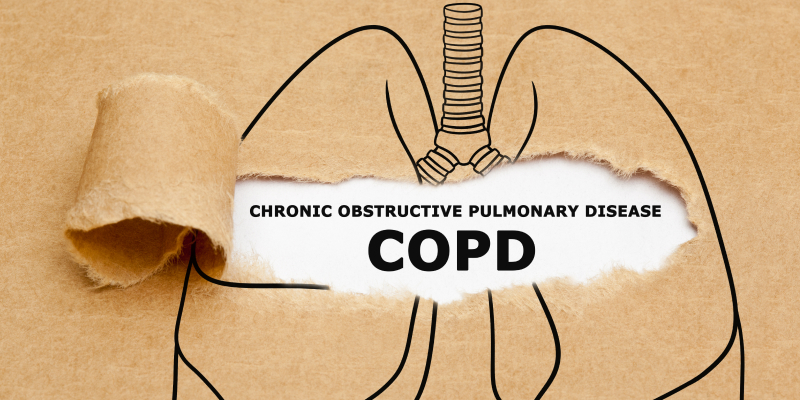
Chronic Obstructive Pulmonary Disease (COPD) is a progressive lung disease that affects individuals differently at each stage. As COPD advances, the symptoms and management need to evolve, and it is crucial to recognize and address these changes to maintain a good quality of life. REAN HealthGuru offers valuable insights into understanding the four COPD stages, their characteristics, and the challenges of each one. This guide explores the progression of COPD, from mild symptoms that might go unnoticed to the more severe stages that impact daily activities, highlighting key signs and effective management strategies.
Understanding COPD Progression
COPD, an inflammatory condition, obstructs airflow in the lungs, often due to long-term exposure to irritants like cigarette smoke. Early detection and lifestyle changes are crucial for managing COPD, especially as the stages of COPD progress and symptoms become more severe. COPD worsens over time, but with proper care, the disease can be managed. The Global Initiative for Chronic Obstructive Lung Disease (GOLD) divides COPD into four stages based on symptoms, flare-up risk, and spirometry results, guiding healthcare professionals to tailor treatments based on disease severity. Let us explore the signs, symptoms, and treatments associated with each stage of COPD.
Stage 1: Mild COPD—Early Signs & Management
In the initial stage, Stage 1: Mild COPD, symptoms are often too subtle and may go unnoticed.
Symptoms include:
- Breathlessness: Shortness of breath occasionally, especially after activities.
- Coughing: A mild, persistent cough that is often mistaken for a smoker's cough.
Even if symptoms seem mild, lung damage can still occur. Learning to decipher early signs and consulting your physician at the right time is essential. Spirometry, a non-invasive breathing test, measures how much air you inhale and exhale and how fast you empty your lungs. Even in early stages, spirometry can reveal lung function impairment, if any, stressing the importance of early detection.
Management of Mild COPD involves lifestyle changes and medical interventions, such as:
- Quitting smoking.
- Using bronchodilator medication.
- Keeping vaccinations up to date by following the recommended schedule.
Recognizing early COPD symptoms is a significant milestone in promoting health screenings, like spirometry. A proactive approach to lifestyle alterations, medical treatment, and health screenings can significantly minimize the impact of COPD on daily activities and improve the quality of life.
Stage 2: Moderate COPD—Managing Symptoms & Treatment
As COPD progresses to Stage 2: Moderate COPD, symptoms become more pronounced. This stage is critical for identifying the disease and strengthening the treatment.
Symptoms to watch for:
- Breathlessness: What was once mild during activities becomes more noticeable. You might gasp for air after short walks.
- Fatigue: You may feel unusually tired after tasks.
- Frequent coughing: The previously occasional cough might become frequent, often with more mucus.
Management strategies include:
- Pulmonary rehabilitation: Pulmonary rehabilitation programs offer breathing techniques, nutritional advice, and tailored exercises. The benefits of rehabilitation extend to improving quality of life and promoting a more active lifestyle.
- Medication: As COPD advances, treatment complexity increases. Bronchodilators, possibly introduced early, become more significant in easing breathing by opening airways. Regular doctor visits are vital for monitoring the condition and adjusting treatment. Communication and adherence to prescribed medication are crucial to slowing the progression of COPD.
- Maintaining an active lifestyle: Engaging in guided exercise and breathing techniques from rehabilitation helps maintain physical activity and preserve lung function. Regular physical activity is key to improving overall health and effectively managing symptoms. Additionally, utilizing modern vitals management tools can assist in tracking health trends, enabling more informed decisions for COPD care.
Adapting to changes in your body and managing the progression of COPD is crucial. With the right strategies, tools, and support, managing COPD can become more manageable.
Also Read : நாள்பட்ட நுரையீரல் அடைப்பு நோய் (சி.ஓ.பி.டி) / Chronic Obstructive Pulmonary Disease (COPD)
Stage 3: Severe COPD—Addressing Advanced Symptoms
In Stage 3: Severe COPD, symptom severity increases, significantly affecting daily life.
Symptoms to watch for:
- Breathlessness: Difficulty breathing even during minimal activities.
- Increased wheezing & coughing: Frequent wheezing and coughing, with thicker mucus formation.
- Higher risk of flare-ups: The risk of flare-ups rises, leading to likely hospitalizations, disrupting life, and threatening health.
Treatment during this stage typically includes:
- Medication & therapy: Oral and inhaled steroids to ease inflammation and breathing difficulty. Oxygen therapy may become crucial.
- Action plan: A plan for managing flare-ups, medication management, and strategizing symptom worsening might become necessary.
- Professional monitoring: Professional monitoring is indispensable at this stage. Frequent doctor visits and assessing lung function to adapt medicines are essential for effective symptom management.
- Mental health support: Addressing mental health becomes essential, as living with a chronic condition can lead to anxiety, depression, and isolation. Access to counseling, support groups, and emotional and psychological resources is recommended.
Proper management and professional care are crucial for maintaining life quality at this advanced stage.
Stage 4: Very Severe COPD—Comprehensive Care at End Stage
Reaching Stage 4: Very Severe COPD marks a critical point. This stage presents persistent, intense symptoms, greatly impacting daily life.
Symptoms to watch for:
- Severe breathlessness: Constant shortness of breath, even during minimal activities.
- Frequent hospitalizations: Increased hospital visits and hospitalizations due to respiratory issues.
- Additional health conditions: Conditions like pulmonary hypertension complicate COPD management, underscoring severity.
Treatment during this stage typically includes:
- Advanced oxygen therapy: The condition demands advanced oxygen therapy to alleviate chronic breathlessness.
- Pulmonary rehabilitation & other therapies: These focus on improving breathing efficiency and quality of life through tailored exercises and therapies.
- Personalized care: For some, lung surgery or transplantation might have to be considered, potentially to improve lung function. A comprehensive, individualized treatment plan is essential.
- Supportive care: Supportive care becomes increasingly crucial in Stage 4. It focuses on improving the quality of life and offers support beyond physical symptoms. Supportive care teams manage pain, address emotional and psychological needs, and provide a support system for navigating end-stage COPD complexities.
While symptoms vary among individuals in this advanced stage, comprehensive support—including emotional and holistic care—becomes vital for both patients and caregivers.
Identifying Symptoms Across the Stages of COPD
Recognizing the symptoms is crucial to managing the progressive condition through the four stages of COPD. Although COPD worsens over time, early recognition of symptoms and timely management can significantly enhance well-being and treatment effectiveness. Understanding how COPD progresses and being aware of the symptoms at each stage enables individuals to manage their health more effectively and seek prompt medical interventions.
If symptoms of COPD are observed, it is important to consult a healthcare provider for guidance on the appropriate next steps.
Take Control of Your COPD Journey: Proactive Care for Better Health
Understanding the progression of COPD is key to living well with the condition. Early recognition of symptoms, proper management, and timely treatment can significantly improve one's quality of life.
The REAN Foundation, a globally trusted healthcare organization, elevates COPD care through innovative monitoring systems and technology solutions that enhance life quality at each stage. Our digital platform helps patients monitor symptoms effectively and communicate strongly with care providers. Start your COPD management journey with us today, and let us confidently navigate each stage.
Chronic Obstructive Pulmonary Disease (COPD) is a progressive lung disease that affects individuals differently at each stage. As COPD advances, the symptoms and management need to evolve, and it is crucial to recognize and address these changes to maintain a good quality of life. REAN HealthGuru offers valuable insights into understanding the four COPD stages, their characteristics, and the challenges of each one. This guide explores the progression of COPD, from mild symptoms that might go unnoticed to the more severe stages that impact daily activities, highlighting key signs and effective management strategies.
Understanding COPD Progression
COPD, an inflammatory condition, obstructs airflow in the lungs, often due to long-term exposure to irritants like cigarette smoke. Early detection and lifestyle changes are crucial for managing COPD, especially as the stages of COPD progress and symptoms become more severe. COPD worsens over time, but with proper care, the disease can be managed. The Global Initiative for Chronic Obstructive Lung Disease (GOLD) divides COPD into four stages based on symptoms, flare-up risk, and spirometry results, guiding healthcare professionals to tailor treatments based on disease severity. Let us explore the signs, symptoms, and treatments associated with each stage of COPD.
Stage 1: Mild COPD—Early Signs & Management
In the initial stage, Stage 1: Mild COPD, symptoms are often too subtle and may go unnoticed.
Symptoms include:
- Breathlessness: Shortness of breath occasionally, especially after activities.
- Coughing: A mild, persistent cough that is often mistaken for a smoker's cough.
Even if symptoms seem mild, lung damage can still occur. Learning to decipher early signs and consulting your physician at the right time is essential. Spirometry, a non-invasive breathing test, measures how much air you inhale and exhale and how fast you empty your lungs. Even in early stages, spirometry can reveal lung function impairment, if any, stressing the importance of early detection.
Management of Mild COPD involves lifestyle changes and medical interventions, such as:
- Quitting smoking.
- Using bronchodilator medication.
- Keeping vaccinations up to date by following the recommended schedule.
Recognizing early COPD symptoms is a significant milestone in promoting health screenings, like spirometry. A proactive approach to lifestyle alterations, medical treatment, and health screenings can significantly minimize the impact of COPD on daily activities and improve the quality of life.
Stage 2: Moderate COPD—Managing Symptoms & Treatment
As COPD progresses to Stage 2: Moderate COPD, symptoms become more pronounced. This stage is critical for identifying the disease and strengthening the treatment.
Symptoms to watch for:
- Breathlessness: What was once mild during activities becomes more noticeable. You might gasp for air after short walks.
- Fatigue: You may feel unusually tired after tasks.
- Frequent coughing: The previously occasional cough might become frequent, often with more mucus.
Management strategies include:
- Pulmonary rehabilitation: Pulmonary rehabilitation programs offer breathing techniques, nutritional advice, and tailored exercises. The benefits of rehabilitation extend to improving quality of life and promoting a more active lifestyle.
- Medication: As COPD advances, treatment complexity increases. Bronchodilators, possibly introduced early, become more significant in easing breathing by opening airways. Regular doctor visits are vital for monitoring the condition and adjusting treatment. Communication and adherence to prescribed medication are crucial to slowing the progression of COPD.
- Maintaining an active lifestyle: Engaging in guided exercise and breathing techniques from rehabilitation helps maintain physical activity and preserve lung function. Regular physical activity is key to improving overall health and effectively managing symptoms. Additionally, utilizing modern vitals management tools can assist in tracking health trends, enabling more informed decisions for COPD care.
Adapting to changes in your body and managing the progression of COPD is crucial. With the right strategies, tools, and support, managing COPD can become more manageable.
Also Read : நாள்பட்ட நுரையீரல் அடைப்பு நோய் (சி.ஓ.பி.டி) / Chronic Obstructive Pulmonary Disease (COPD)
Stage 3: Severe COPD—Addressing Advanced Symptoms
In Stage 3: Severe COPD, symptom severity increases, significantly affecting daily life.
Symptoms to watch for:
- Breathlessness: Difficulty breathing even during minimal activities.
- Increased wheezing & coughing: Frequent wheezing and coughing, with thicker mucus formation.
- Higher risk of flare-ups: The risk of flare-ups rises, leading to likely hospitalizations, disrupting life, and threatening health.
Treatment during this stage typically includes:
- Medication & therapy: Oral and inhaled steroids to ease inflammation and breathing difficulty. Oxygen therapy may become crucial.
- Action plan: A plan for managing flare-ups, medication management, and strategizing symptom worsening might become necessary.
- Professional monitoring: Professional monitoring is indispensable at this stage. Frequent doctor visits and assessing lung function to adapt medicines are essential for effective symptom management.
- Mental health support: Addressing mental health becomes essential, as living with a chronic condition can lead to anxiety, depression, and isolation. Access to counseling, support groups, and emotional and psychological resources is recommended.
Proper management and professional care are crucial for maintaining life quality at this advanced stage.
Stage 4: Very Severe COPD—Comprehensive Care at End Stage
Reaching Stage 4: Very Severe COPD marks a critical point. This stage presents persistent, intense symptoms, greatly impacting daily life.
Symptoms to watch for:
- Severe breathlessness: Constant shortness of breath, even during minimal activities.
- Frequent hospitalizations: Increased hospital visits and hospitalizations due to respiratory issues.
- Additional health conditions: Conditions like pulmonary hypertension complicate COPD management, underscoring severity.
Treatment during this stage typically includes:
- Advanced oxygen therapy: The condition demands advanced oxygen therapy to alleviate chronic breathlessness.
- Pulmonary rehabilitation & other therapies: These focus on improving breathing efficiency and quality of life through tailored exercises and therapies.
- Personalized care: For some, lung surgery or transplantation might have to be considered, potentially to improve lung function. A comprehensive, individualized treatment plan is essential.
- Supportive care: Supportive care becomes increasingly crucial in Stage 4. It focuses on improving the quality of life and offers support beyond physical symptoms. Supportive care teams manage pain, address emotional and psychological needs, and provide a support system for navigating end-stage COPD complexities.
While symptoms vary among individuals in this advanced stage, comprehensive support—including emotional and holistic care—becomes vital for both patients and caregivers.
Identifying Symptoms Across the Stages of COPD
Recognizing the symptoms is crucial to managing the progressive condition through the four stages of COPD. Although COPD worsens over time, early recognition of symptoms and timely management can significantly enhance well-being and treatment effectiveness. Understanding how COPD progresses and being aware of the symptoms at each stage enables individuals to manage their health more effectively and seek prompt medical interventions.
If symptoms of COPD are observed, it is important to consult a healthcare provider for guidance on the appropriate next steps.
Take Control of Your COPD Journey: Proactive Care for Better Health
Understanding the progression of COPD is key to living well with the condition. Early recognition of symptoms, proper management, and timely treatment can significantly improve one's quality of life.
The REAN Foundation, a globally trusted healthcare organization, elevates COPD care through innovative monitoring systems and technology solutions that enhance life quality at each stage. Our digital platform helps patients monitor symptoms effectively and communicate strongly with care providers. Start your COPD management journey with us today, and let us confidently navigate each stage.
About The Author