

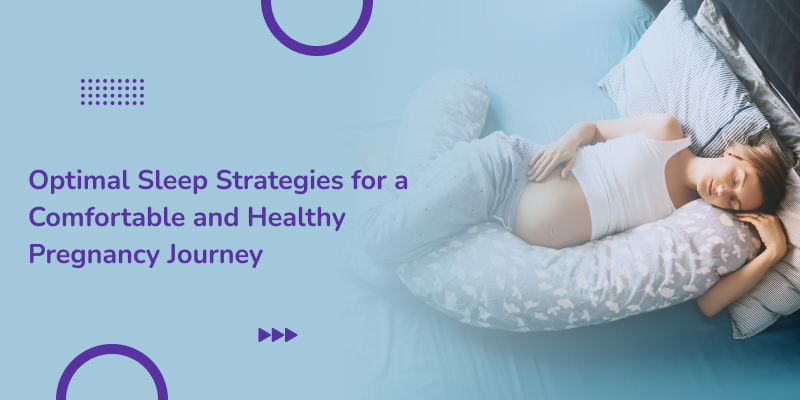
Optimal Sleep Strategies for a Comfortable and Healthy Pregnancy Journey

Sleep during pregnancy can seem elusive, but it's incredibly precious. If you're an expectant mother who spends nights tossing and turning, you're not alone. Take comfort. This article aims to help you comprehend and manage the intricate relationship between pregnancy and sleep. It offers practical strategies for a restful night's sleep, discusses potential medical therapies, and even provides supportive tips for partners. Are you ready to bid farewell to those sleepless nights with the assistance of innovative health technology for maternity care from REAN?
Understanding the Connection Between Pregnancy and Sleep
You're about to explore the intriguing correlation between pregnancy and sleep. This journey will show how pregnancy can change sleep patterns and address the common sleep challenges many expecting mothers face. It's a fascinating topic, one that emphasizes the importance of rest during this significant time in your life. Let's continue and learn more.
Changes in Sleep Patterns During Pregnancy
Pregnancy brings about notable and impactful changes in sleep, affecting nearly all expectant mothers. Regular disruptions to your nightly rest, such as frequent bathroom visits, your growing baby's movements, and even vivid dreams and nightmares, become a common occurrence.
Hormonal fluctuations that come with pregnancy play a significant role in shaping your sleep patterns. The link between pregnancy and sleep becomes apparent when considering hormones like progesterone and estrogen. Progesterone, which relaxes smooth muscle, may result in frequent urination, heartburn, and nasal congestion. These effects can interrupt your sleep and leave you exhausted the next day. Conversely, estrogen can reduce the amount of REM sleep, the stage of sleep where dreams occur.
These hormonal shifts can intensify existing sleep problems and introduce new ones at each stage of pregnancy. You may wake up more often at night, especially during your third trimester. As your body adapts to accommodate the growing life, your sleep quality fluctuates throughout your pregnancy. The increased fatigue experienced in the first trimester stems from a surge in progesterone levels. By the third trimester, finding a comfortable sleeping position can become a challenge, leading to subpar sleep.
In addition to hormonal changes, other symptoms can interrupt your sleep and contribute to feelings of exhaustion. These include:
- Temperature changes
- Morning sickness
- Leg cramps
- Lower back aches
- Increased frequency of dreams
- Congestion
- Snoring
- Indigestion
So, the pregnancy journey involves significant shifts in sleep patterns, each influenced by a unique set of factors. Understanding these sleep challenges can help find solutions, which we will discuss next.
Common Sleep Challenges for Expectant Mothers
Sleep disturbances often affect expectant mothers. Take pregnancy insomnia, for example. This sleep disorder affects about 78 percent of pregnant women and can occur at any pregnancy stage. It manifests as difficulty in falling asleep or staying asleep. Poor sleep habits, such as looking at screens before bedtime or inconsistent sleep schedules, can exacerbate it.
Besides insomnia, pregnant women might also encounter:
- Obstructive Sleep Apnea, often resulting from weight gain and nasal congestion, which leads to snoring and increases the risk of high blood pressure.
- Restless Legs Syndrome and nighttime gastroesophageal reflux disease, are two prevalent sleep-related disorders.
Physical, psychological, and hormonal changes make pregnant women more susceptible to sleep disturbances, especially during the first and third trimesters.
Additionally, the growing baby bump makes finding a comfortable sleeping position challenging. Increased stress or anxiety and lower back pain leading to snoring are some of the additional challenges pregnant women often encounter.
Understanding these sleep challenges can help better manage the complex relationship between pregnancy and sleep. Now, let's look at practical strategies to overcome these challenges and ensure restful sleep during pregnancy.
Strategies for Achieving Restful Sleep During Pregnancy
Securing a good night's sleep while you're pregnant plays a vital role in your health and the health of your unborn child. It calls for the creation of an environment conducive to sleep, the inclusion of regular exercise in your daily routine, and a comprehension of how nutrition aids in achieving restful sleep. Let's go further into these strategies.
Creating a Sleep-friendly Environment
Creating an environment that supports restful sleep during pregnancy is possible by using certain strategies. As your baby grows, it can be challenging to find a comfortable sleeping position. Here are some strategies that can assist you:
- Sleep on your side with your knees bent. This position is not only comfortable but also promotes healthy circulation. Doctors often suggest sleeping on the left side as it's thought to safeguard the liver and boost blood flow to the heart, fetus, uterus, and kidneys.
- Consider placing a pillow under your baby bump or between your legs.
- A blanket rolled up at the small of your back can help to alleviate pressure.
- A foam or egg crate mattress pad can relieve sore hips.
- Extra pillows or a body pillow can offer additional support.
- If you find yourself shifting back to sleeping on your back, a wedge pillow behind you can assist in maintaining a side sleeping position.
- Keep your bedroom dark and quiet, and ensure the room temperature is comfortable.
- Try to avoid using electronic devices close to bedtime.
- Establish a consistent bedtime and wake-up routine.
- Develop a relaxing routine before sleep.
- Try to limit your caffeine intake.
- Manage stress through exercise, yoga, mindfulness meditation, or massage therapy.
- Reserve your bed for sleep and intimacy only.
- Consider using a nightlight to make trips to the bathroom at night less disruptive.
With your environment optimized for sleep, let's examine how exercise, yoga, mindfulness meditation, or massage therapy can improve your pregnancy and sleep experience.
Importance of Regular Exercise
Regular exercise throughout your pregnancy not only improves your sleep but also provides numerous health benefits for you and your little one. It acts as a powerful tool to lower the risk of gestational diabetes, preeclampsia, and cesarean section, and it accelerates your recovery in the postpartum period.
The American College Of Obstetricians and Gynecologists advises pregnant individuals to target at least 150 minutes of moderate-intensity aerobic exercise every week. They should exercise for 20 to 60 minutes twice a week at an intensity that challenges them but allows them to converse.
In the first trimester, you can typically stick with your pre-pregnancy exercise routines. However, avoid contact sports like boxing, soccer, or hockey and any activity that makes your body overheat, such as hot yoga. As you advance into your second and third trimesters, choose exercises that lower the risk of falling and provide better support for your expanding belly.
For evening exercise, think about the following low-impact activities:
- Prenatal yoga
- Light resistance training
- Walking
These exercises promote relaxation, relieve physical discomfort, and assist in managing stress, improving sleep quality during pregnancy. Working out earlier in the day can help lessen leg cramps, and gentle physical activity can soothe lower back pain, enhancing sleep at night. After discussing the role of exercise in improving sleep during pregnancy, let's examine another vital aspect - nutrition.
Nutrition and Sleep
Your diet plays a significant role in your sleep quality during pregnancy. Some foods and beverages can enhance your sleep, while others might disrupt it. Have you considered that consistent, high-quality sleep contributes to maintaining a healthy body weight? Pregnancy-induced sleep deprivation can alter hormones that regulate hunger, such as ghrelin and leptin. This reveals a link between the quality of sleep and nourishment for both you and your unborn child.
Understanding the connection between sleep and nutrition allows you to make more informed food choices for improved sleep and a healthier lifestyle. Here are some recommendations:
- Drinking a glass of warm milk or eating carbohydrate-rich foods like bread or crackers before bed can encourage sleep.
- A protein-rich snack can balance your blood sugar levels, reducing the likelihood of nightmares, headaches, and hot flashes.
- Eating a diet high in fiber, protein, and fat can improve your sleep quality, leading to more slow-wave sleep and rapid eye movement sleep.
- Be mindful of overeating and consuming too many carbohydrates as it can disrupt your sleep.
To cope with morning sickness and ensure a restful night's sleep, remember these tips:
- Keep your stomach content with mild snacks like crackers throughout the day.
- Stay hydrated, but avoid drinking too much before bed.
Reducing caffeine intake is advisable, as it can keep you awake and impact your baby. Steer clear of caffeine, spicy foods, and heavy meals close to bedtime to avoid GERD. While it's crucial to stay hydrated throughout the day, limiting liquid intake before bed can help reduce nighttime bathroom trips. Adjusting your diet is not only essential for your overall health but also for ensuring quality sleep during your pregnancy.
Also Read: Balancing Sleep Debt: The Truth About Recouping Lost Sleep Hours
Medical Interventions for Sleep Issues During Pregnancy
Sleep issues during pregnancy can pose a significant challenge. Over-the-counter medications might relieve some, but what happens when they don't suffice? Your doctor could prescribe stronger medications. Alternatively, consider therapies such as acupuncture, massage, and meditation. These natural methods could provide a better sleep experience. Let's look at these options more closely.
Over-the-counter Medications
Pregnancy often brings sleep difficulties, especially during the later stages. You might question the safety of over-the-counter sleep aids. Some healthcare providers might hesitate to recommend sleep aids due to limited research on their safety for you and your baby. However, we cannot overlook the potential adverse effects of sleep deprivation during pregnancy.
The standard advice is to handle sleep issues without relying on medication or supplements. Yet, if non-pharmacological measures fail, some sleep aids might come into consideration. A considerable number of pregnant individuals occasionally use over-the-counter sleep aids, with melatonin supplements and antihistamines being common choices.
Research studies often exclude pregnant individuals. Yet, we have some understanding of the safety of specific sleep aids based on data from those who use them and their physicians. The FDA requires manufacturers to share safety information about medication use during pregnancy. This information aids you in making informed decisions about your health and the health of your baby.
However, bear in mind that full verification of the safety of many sleep aids for pregnant individuals and their babies is still pending. Always consult with your healthcare provider before starting any new medication or supplement. Ensuring the safety of both you and your baby is crucial.
While many people might consider over-the-counter medications as their first option, prescription medications can also help manage sleep during pregnancy. We will explore this further in the next section.
Prescription Medications
Prescription medications serve as a vital tool in managing sleep issues during pregnancy, but doctors don't usually recommend them first due to the risks and unclear data surrounding them. Some prescription medications, like sedating tricyclic antidepressants, might present safer alternatives. For example, Amitriptyline or nortriptyline do not enhance the risk of birth defects. Similarly, benzodiazepines, such as lorazepam and clonazepam, can also prove helpful. However, remember that a lot of medications have not undergone thorough testing on pregnant women, raising concerns. The FDA generally rejects even a minor risk. Therefore, only consider these medications when lifestyle changes have failed and the sleep disorder is severe.
The primary approach to treating a sleep disorder during pregnancy should always be lifestyle modifications, aiming to avoid all medications when feasible. It is crucial to consult with healthcare providers for careful consideration when using prescription medications during pregnancy. Although prescription medications can serve as an option, it can also be beneficial to explore alternative therapies.
Alternative Therapies
Looking into alternative therapies to better your sleep during pregnancy? These therapies could be a valuable addition to your sleep hygiene routine. Here are a few that could be beneficial:
- Heat Therapy: This therapy involves the use of a warm compress or taking a warm bath (not hot) before you sleep. It serves as an effective method to relax your muscles and get your body ready for a peaceful night.
- Tart Cherry Juice: Tart cherries are high in melatonin, the hormone that regulates sleep. Drinking tart cherry juice might improve your sleep quality.
Don't forget for the best pregnancy and sleep experience, it's essential to combine these therapies with a healthy lifestyle. Although these therapies can assist, another vital factor in achieving peaceful sleep during pregnancy is the support you receive at home, which we'll discuss in the upcoming discussions.
The Role of Partners in Promoting Sleep During Pregnancy
Recognizing the partner's role in promoting sleep during pregnancy can change the game. It's not just about the pregnant mother; it also involves how you, as a partner, can foster a supportive environment and help with nighttime routines. Let's see how your participation can bring about a considerable change.
Creating a Supportive Environment
During your pregnancy journey, your partner's role in creating a supportive sleep environment becomes crucial. They can help you handle the physical and emotional changes that pregnancy brings. For example, they can adjust your pillows and blankets to maximize comfort or give soothing massages to ease discomfort.
Emotional backing holds equal importance. If anxiety or disturbing dreams interrupt your sleep, your partner can provide reassurance and comfort. By assuming more housekeeping duties, they can free up more time for you to rest.
It's vital to grasp the significance of a supportive environment in the realm of 'Pregnancy and Sleep.' As you progress, remember that your partner stands ready to help you get the rest you require for a healthy pregnancy.
Sleep Well, Nurture Well
A restful night's sleep is not a luxury; it is necessary for your health and your baby's well-being. You have understood how pregnancy influences sleep and the typical challenges you may face. But there is no need to worry. You have also discovered effective strategies to enhance your sleep, from creating a conducive environment to maintaining a healthy diet and regular exercise. Sometimes, you may need medical help or even alternative therapies. The role of your partner in this journey is vital. As the saying goes, "Rest when you're tired. Refresh and renew yourself, your body, your mind, your spirit. Then return to work."
Another option is to use REAN HealthGuru, the AI-powered app from REAN Foundation, to help track your health and connect with doctors from the comfort of your home. So, take the first step today to manage your sleep debt. Start using these strategies for a healthier, happier pregnancy. Sweet dreams!
Frequently Asked Questions
What happens if you are not getting enough rest while pregnant?
Pregnancy without enough sleep can trigger serious health issues such as high blood pressure, pregnancy-specific diabetes, and possibly preeclampsia. Moreover, the baby's development can feel the impact of sleep quality. Snoring and sleep apnea, conditions that can intensify, particularly in the later pregnancy stages, can cause severe health problems. These include high blood pressure and a unique form of high blood pressure affecting the lungs' arteries and the heart's right side. Maintaining good sleep habits becomes critical, and discussing any sleep issues with a doctor is essential.
What are the best sleeping positions during pregnancy?
Sleeping on the left side with knees bent is the most beneficial and comfortable position for a pregnant person. It enhances blood circulation for both the baby and the expecting individual. Although resting on the right side for short durations is typically safe, it isn't the top pick as it can pressure the liver. Avoid lying on the back during the second and third trimesters. It can challenge the heart in circulating blood to the baby and the pregnant person.
Is it safe to take sleep medications during pregnancy?
The complexity of using sleep medications during pregnancy is undeniable. Some health experts may suggest avoiding all sleep aids during pregnancy due to insufficient research on their safety for both the expectant individual and the unborn child. However, the damage of inadequate sleep during pregnancy can also be significant, leading some pregnant individuals and their medical advisors to conclude that the benefits of specific sleep aids outweigh the possible risks. Always consult a medical professional before initiating any new medication or supplement. Common sleep aids during pregnancy include melatonin supplements and antihistamines.
How do I adjust my sleep schedule in preparation for a newborn's sleep pattern?
Preparing for a newborn's sleep pattern can be challenging, but the following strategies might be of assistance:
- Schedule Consistency: Babies thrive on routines. Consistent times for meals, naps, and bedtime can guide your baby toward understanding sleep time.
- Watch Nap Times: Ensure naps don't fall too close to bedtime, as it could disrupt night sleep.
- Gradual Adjustments: If a time change occurs, adjust your baby’s bedtime gradually by 10 min every few days.
- Bedtime Routine: Gentle music can help your baby feel sleepy and establish a bedtime routine.
Sleep during pregnancy can seem elusive, but it's incredibly precious. If you're an expectant mother who spends nights tossing and turning, you're not alone. Take comfort. This article aims to help you comprehend and manage the intricate relationship between pregnancy and sleep. It offers practical strategies for a restful night's sleep, discusses potential medical therapies, and even provides supportive tips for partners. Are you ready to bid farewell to those sleepless nights with the assistance of innovative health technology for maternity care from REAN?
Understanding the Connection Between Pregnancy and Sleep
You're about to explore the intriguing correlation between pregnancy and sleep. This journey will show how pregnancy can change sleep patterns and address the common sleep challenges many expecting mothers face. It's a fascinating topic, one that emphasizes the importance of rest during this significant time in your life. Let's continue and learn more.
Changes in Sleep Patterns During Pregnancy
Pregnancy brings about notable and impactful changes in sleep, affecting nearly all expectant mothers. Regular disruptions to your nightly rest, such as frequent bathroom visits, your growing baby's movements, and even vivid dreams and nightmares, become a common occurrence.
Hormonal fluctuations that come with pregnancy play a significant role in shaping your sleep patterns. The link between pregnancy and sleep becomes apparent when considering hormones like progesterone and estrogen. Progesterone, which relaxes smooth muscle, may result in frequent urination, heartburn, and nasal congestion. These effects can interrupt your sleep and leave you exhausted the next day. Conversely, estrogen can reduce the amount of REM sleep, the stage of sleep where dreams occur.
These hormonal shifts can intensify existing sleep problems and introduce new ones at each stage of pregnancy. You may wake up more often at night, especially during your third trimester. As your body adapts to accommodate the growing life, your sleep quality fluctuates throughout your pregnancy. The increased fatigue experienced in the first trimester stems from a surge in progesterone levels. By the third trimester, finding a comfortable sleeping position can become a challenge, leading to subpar sleep.
In addition to hormonal changes, other symptoms can interrupt your sleep and contribute to feelings of exhaustion. These include:
- Temperature changes
- Morning sickness
- Leg cramps
- Lower back aches
- Increased frequency of dreams
- Congestion
- Snoring
- Indigestion
So, the pregnancy journey involves significant shifts in sleep patterns, each influenced by a unique set of factors. Understanding these sleep challenges can help find solutions, which we will discuss next.
Common Sleep Challenges for Expectant Mothers
Sleep disturbances often affect expectant mothers. Take pregnancy insomnia, for example. This sleep disorder affects about 78 percent of pregnant women and can occur at any pregnancy stage. It manifests as difficulty in falling asleep or staying asleep. Poor sleep habits, such as looking at screens before bedtime or inconsistent sleep schedules, can exacerbate it.
Besides insomnia, pregnant women might also encounter:
- Obstructive Sleep Apnea, often resulting from weight gain and nasal congestion, which leads to snoring and increases the risk of high blood pressure.
- Restless Legs Syndrome and nighttime gastroesophageal reflux disease, are two prevalent sleep-related disorders.
Physical, psychological, and hormonal changes make pregnant women more susceptible to sleep disturbances, especially during the first and third trimesters.
Additionally, the growing baby bump makes finding a comfortable sleeping position challenging. Increased stress or anxiety and lower back pain leading to snoring are some of the additional challenges pregnant women often encounter.
Understanding these sleep challenges can help better manage the complex relationship between pregnancy and sleep. Now, let's look at practical strategies to overcome these challenges and ensure restful sleep during pregnancy.
Strategies for Achieving Restful Sleep During Pregnancy
Securing a good night's sleep while you're pregnant plays a vital role in your health and the health of your unborn child. It calls for the creation of an environment conducive to sleep, the inclusion of regular exercise in your daily routine, and a comprehension of how nutrition aids in achieving restful sleep. Let's go further into these strategies.
Creating a Sleep-friendly Environment
Creating an environment that supports restful sleep during pregnancy is possible by using certain strategies. As your baby grows, it can be challenging to find a comfortable sleeping position. Here are some strategies that can assist you:
- Sleep on your side with your knees bent. This position is not only comfortable but also promotes healthy circulation. Doctors often suggest sleeping on the left side as it's thought to safeguard the liver and boost blood flow to the heart, fetus, uterus, and kidneys.
- Consider placing a pillow under your baby bump or between your legs.
- A blanket rolled up at the small of your back can help to alleviate pressure.
- A foam or egg crate mattress pad can relieve sore hips.
- Extra pillows or a body pillow can offer additional support.
- If you find yourself shifting back to sleeping on your back, a wedge pillow behind you can assist in maintaining a side sleeping position.
- Keep your bedroom dark and quiet, and ensure the room temperature is comfortable.
- Try to avoid using electronic devices close to bedtime.
- Establish a consistent bedtime and wake-up routine.
- Develop a relaxing routine before sleep.
- Try to limit your caffeine intake.
- Manage stress through exercise, yoga, mindfulness meditation, or massage therapy.
- Reserve your bed for sleep and intimacy only.
- Consider using a nightlight to make trips to the bathroom at night less disruptive.
With your environment optimized for sleep, let's examine how exercise, yoga, mindfulness meditation, or massage therapy can improve your pregnancy and sleep experience.
Importance of Regular Exercise
Regular exercise throughout your pregnancy not only improves your sleep but also provides numerous health benefits for you and your little one. It acts as a powerful tool to lower the risk of gestational diabetes, preeclampsia, and cesarean section, and it accelerates your recovery in the postpartum period.
The American College Of Obstetricians and Gynecologists advises pregnant individuals to target at least 150 minutes of moderate-intensity aerobic exercise every week. They should exercise for 20 to 60 minutes twice a week at an intensity that challenges them but allows them to converse.
In the first trimester, you can typically stick with your pre-pregnancy exercise routines. However, avoid contact sports like boxing, soccer, or hockey and any activity that makes your body overheat, such as hot yoga. As you advance into your second and third trimesters, choose exercises that lower the risk of falling and provide better support for your expanding belly.
For evening exercise, think about the following low-impact activities:
- Prenatal yoga
- Light resistance training
- Walking
These exercises promote relaxation, relieve physical discomfort, and assist in managing stress, improving sleep quality during pregnancy. Working out earlier in the day can help lessen leg cramps, and gentle physical activity can soothe lower back pain, enhancing sleep at night. After discussing the role of exercise in improving sleep during pregnancy, let's examine another vital aspect - nutrition.
Nutrition and Sleep
Your diet plays a significant role in your sleep quality during pregnancy. Some foods and beverages can enhance your sleep, while others might disrupt it. Have you considered that consistent, high-quality sleep contributes to maintaining a healthy body weight? Pregnancy-induced sleep deprivation can alter hormones that regulate hunger, such as ghrelin and leptin. This reveals a link between the quality of sleep and nourishment for both you and your unborn child.
Understanding the connection between sleep and nutrition allows you to make more informed food choices for improved sleep and a healthier lifestyle. Here are some recommendations:
- Drinking a glass of warm milk or eating carbohydrate-rich foods like bread or crackers before bed can encourage sleep.
- A protein-rich snack can balance your blood sugar levels, reducing the likelihood of nightmares, headaches, and hot flashes.
- Eating a diet high in fiber, protein, and fat can improve your sleep quality, leading to more slow-wave sleep and rapid eye movement sleep.
- Be mindful of overeating and consuming too many carbohydrates as it can disrupt your sleep.
To cope with morning sickness and ensure a restful night's sleep, remember these tips:
- Keep your stomach content with mild snacks like crackers throughout the day.
- Stay hydrated, but avoid drinking too much before bed.
Reducing caffeine intake is advisable, as it can keep you awake and impact your baby. Steer clear of caffeine, spicy foods, and heavy meals close to bedtime to avoid GERD. While it's crucial to stay hydrated throughout the day, limiting liquid intake before bed can help reduce nighttime bathroom trips. Adjusting your diet is not only essential for your overall health but also for ensuring quality sleep during your pregnancy.
Also Read: Balancing Sleep Debt: The Truth About Recouping Lost Sleep Hours
Medical Interventions for Sleep Issues During Pregnancy
Sleep issues during pregnancy can pose a significant challenge. Over-the-counter medications might relieve some, but what happens when they don't suffice? Your doctor could prescribe stronger medications. Alternatively, consider therapies such as acupuncture, massage, and meditation. These natural methods could provide a better sleep experience. Let's look at these options more closely.
Over-the-counter Medications
Pregnancy often brings sleep difficulties, especially during the later stages. You might question the safety of over-the-counter sleep aids. Some healthcare providers might hesitate to recommend sleep aids due to limited research on their safety for you and your baby. However, we cannot overlook the potential adverse effects of sleep deprivation during pregnancy.
The standard advice is to handle sleep issues without relying on medication or supplements. Yet, if non-pharmacological measures fail, some sleep aids might come into consideration. A considerable number of pregnant individuals occasionally use over-the-counter sleep aids, with melatonin supplements and antihistamines being common choices.
Research studies often exclude pregnant individuals. Yet, we have some understanding of the safety of specific sleep aids based on data from those who use them and their physicians. The FDA requires manufacturers to share safety information about medication use during pregnancy. This information aids you in making informed decisions about your health and the health of your baby.
However, bear in mind that full verification of the safety of many sleep aids for pregnant individuals and their babies is still pending. Always consult with your healthcare provider before starting any new medication or supplement. Ensuring the safety of both you and your baby is crucial.
While many people might consider over-the-counter medications as their first option, prescription medications can also help manage sleep during pregnancy. We will explore this further in the next section.
Prescription Medications
Prescription medications serve as a vital tool in managing sleep issues during pregnancy, but doctors don't usually recommend them first due to the risks and unclear data surrounding them. Some prescription medications, like sedating tricyclic antidepressants, might present safer alternatives. For example, Amitriptyline or nortriptyline do not enhance the risk of birth defects. Similarly, benzodiazepines, such as lorazepam and clonazepam, can also prove helpful. However, remember that a lot of medications have not undergone thorough testing on pregnant women, raising concerns. The FDA generally rejects even a minor risk. Therefore, only consider these medications when lifestyle changes have failed and the sleep disorder is severe.
The primary approach to treating a sleep disorder during pregnancy should always be lifestyle modifications, aiming to avoid all medications when feasible. It is crucial to consult with healthcare providers for careful consideration when using prescription medications during pregnancy. Although prescription medications can serve as an option, it can also be beneficial to explore alternative therapies.
Alternative Therapies
Looking into alternative therapies to better your sleep during pregnancy? These therapies could be a valuable addition to your sleep hygiene routine. Here are a few that could be beneficial:
- Heat Therapy: This therapy involves the use of a warm compress or taking a warm bath (not hot) before you sleep. It serves as an effective method to relax your muscles and get your body ready for a peaceful night.
- Tart Cherry Juice: Tart cherries are high in melatonin, the hormone that regulates sleep. Drinking tart cherry juice might improve your sleep quality.
Don't forget for the best pregnancy and sleep experience, it's essential to combine these therapies with a healthy lifestyle. Although these therapies can assist, another vital factor in achieving peaceful sleep during pregnancy is the support you receive at home, which we'll discuss in the upcoming discussions.
The Role of Partners in Promoting Sleep During Pregnancy
Recognizing the partner's role in promoting sleep during pregnancy can change the game. It's not just about the pregnant mother; it also involves how you, as a partner, can foster a supportive environment and help with nighttime routines. Let's see how your participation can bring about a considerable change.
Creating a Supportive Environment
During your pregnancy journey, your partner's role in creating a supportive sleep environment becomes crucial. They can help you handle the physical and emotional changes that pregnancy brings. For example, they can adjust your pillows and blankets to maximize comfort or give soothing massages to ease discomfort.
Emotional backing holds equal importance. If anxiety or disturbing dreams interrupt your sleep, your partner can provide reassurance and comfort. By assuming more housekeeping duties, they can free up more time for you to rest.
It's vital to grasp the significance of a supportive environment in the realm of 'Pregnancy and Sleep.' As you progress, remember that your partner stands ready to help you get the rest you require for a healthy pregnancy.
Sleep Well, Nurture Well
A restful night's sleep is not a luxury; it is necessary for your health and your baby's well-being. You have understood how pregnancy influences sleep and the typical challenges you may face. But there is no need to worry. You have also discovered effective strategies to enhance your sleep, from creating a conducive environment to maintaining a healthy diet and regular exercise. Sometimes, you may need medical help or even alternative therapies. The role of your partner in this journey is vital. As the saying goes, "Rest when you're tired. Refresh and renew yourself, your body, your mind, your spirit. Then return to work."
Another option is to use REAN HealthGuru, the AI-powered app from REAN Foundation, to help track your health and connect with doctors from the comfort of your home. So, take the first step today to manage your sleep debt. Start using these strategies for a healthier, happier pregnancy. Sweet dreams!
Frequently Asked Questions
What happens if you are not getting enough rest while pregnant?
Pregnancy without enough sleep can trigger serious health issues such as high blood pressure, pregnancy-specific diabetes, and possibly preeclampsia. Moreover, the baby's development can feel the impact of sleep quality. Snoring and sleep apnea, conditions that can intensify, particularly in the later pregnancy stages, can cause severe health problems. These include high blood pressure and a unique form of high blood pressure affecting the lungs' arteries and the heart's right side. Maintaining good sleep habits becomes critical, and discussing any sleep issues with a doctor is essential.
What are the best sleeping positions during pregnancy?
Sleeping on the left side with knees bent is the most beneficial and comfortable position for a pregnant person. It enhances blood circulation for both the baby and the expecting individual. Although resting on the right side for short durations is typically safe, it isn't the top pick as it can pressure the liver. Avoid lying on the back during the second and third trimesters. It can challenge the heart in circulating blood to the baby and the pregnant person.
Is it safe to take sleep medications during pregnancy?
The complexity of using sleep medications during pregnancy is undeniable. Some health experts may suggest avoiding all sleep aids during pregnancy due to insufficient research on their safety for both the expectant individual and the unborn child. However, the damage of inadequate sleep during pregnancy can also be significant, leading some pregnant individuals and their medical advisors to conclude that the benefits of specific sleep aids outweigh the possible risks. Always consult a medical professional before initiating any new medication or supplement. Common sleep aids during pregnancy include melatonin supplements and antihistamines.
How do I adjust my sleep schedule in preparation for a newborn's sleep pattern?
Preparing for a newborn's sleep pattern can be challenging, but the following strategies might be of assistance:
- Schedule Consistency: Babies thrive on routines. Consistent times for meals, naps, and bedtime can guide your baby toward understanding sleep time.
- Watch Nap Times: Ensure naps don't fall too close to bedtime, as it could disrupt night sleep.
- Gradual Adjustments: If a time change occurs, adjust your baby’s bedtime gradually by 10 min every few days.
- Bedtime Routine: Gentle music can help your baby feel sleepy and establish a bedtime routine.
About The Author